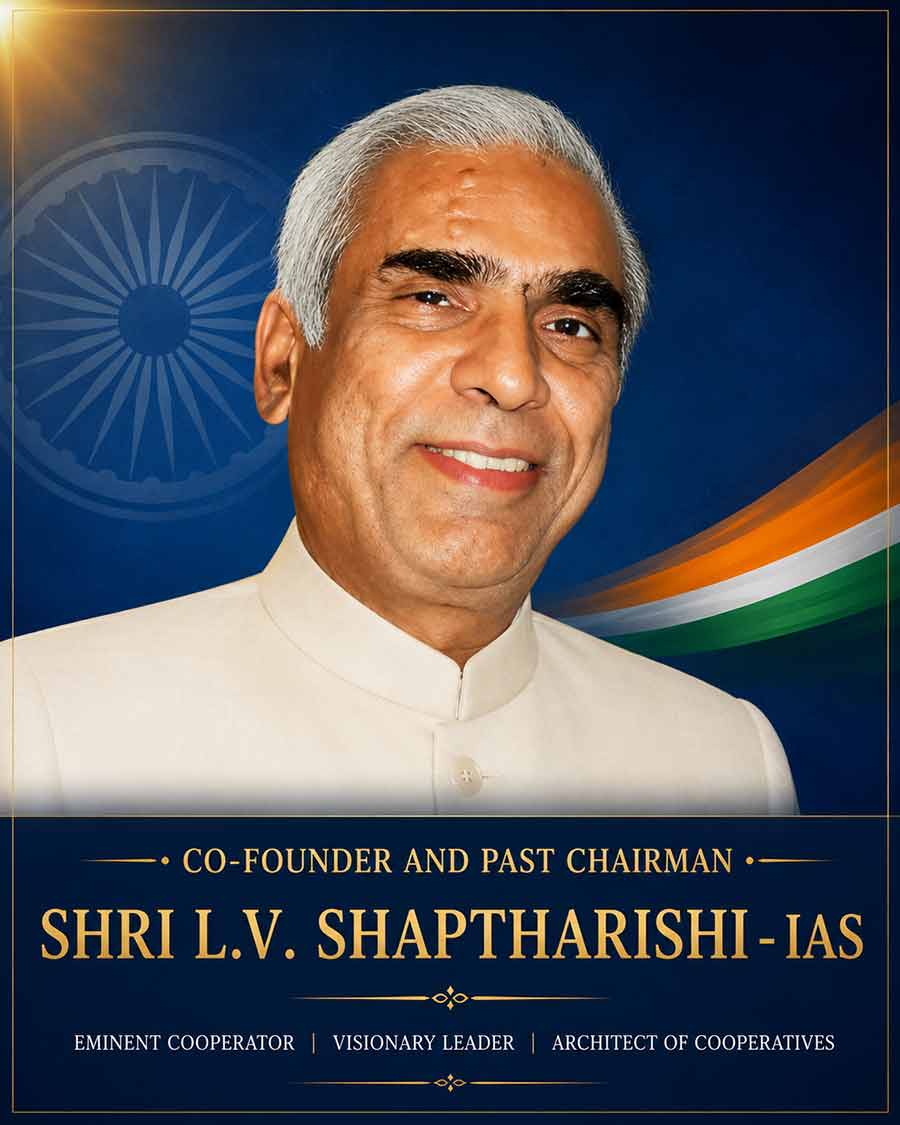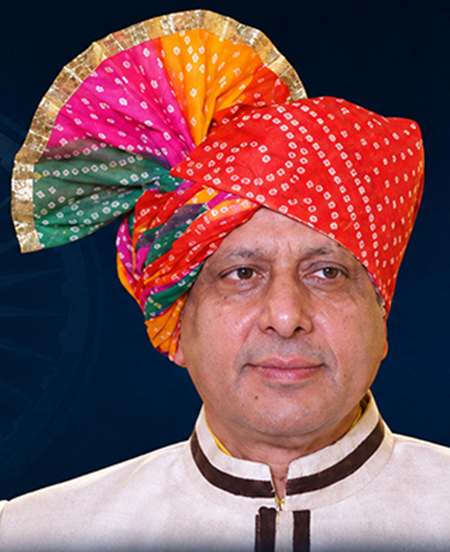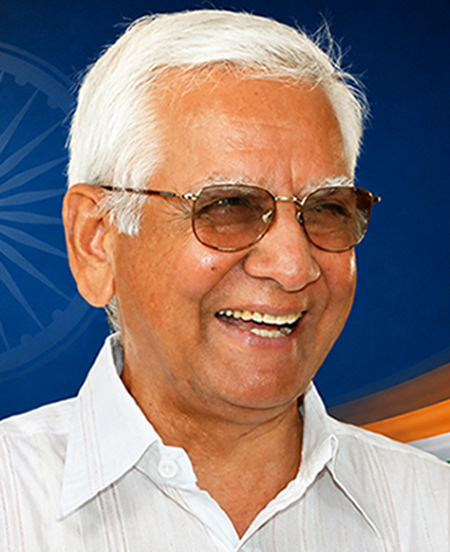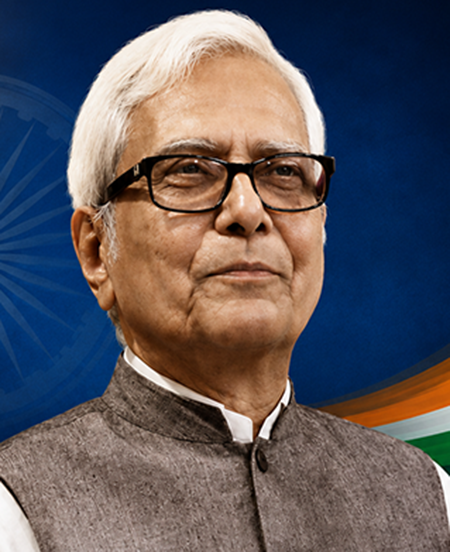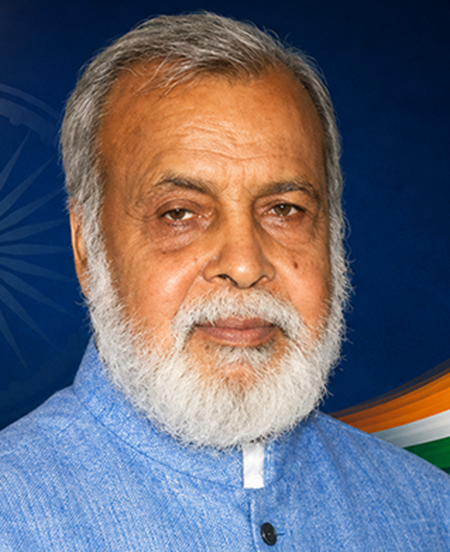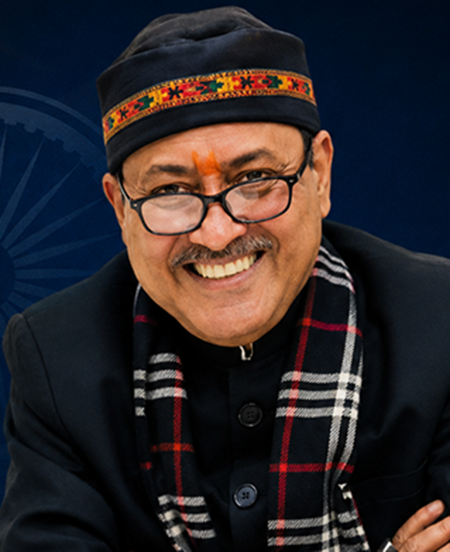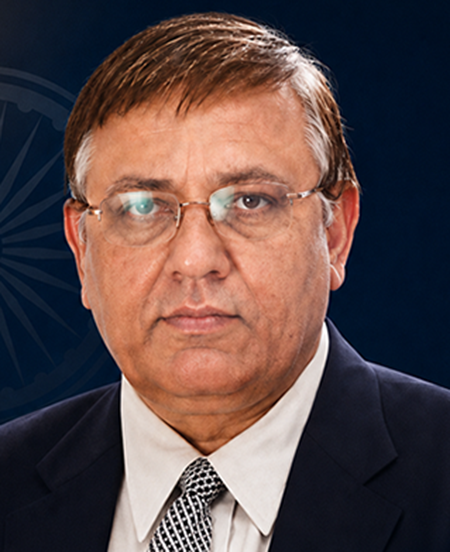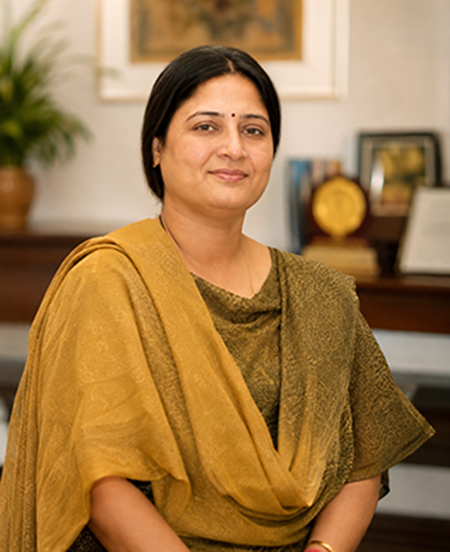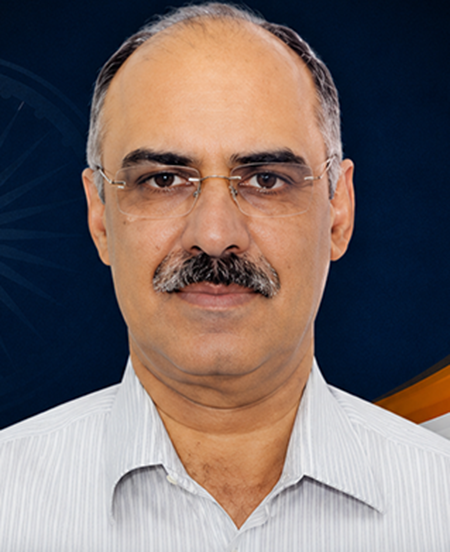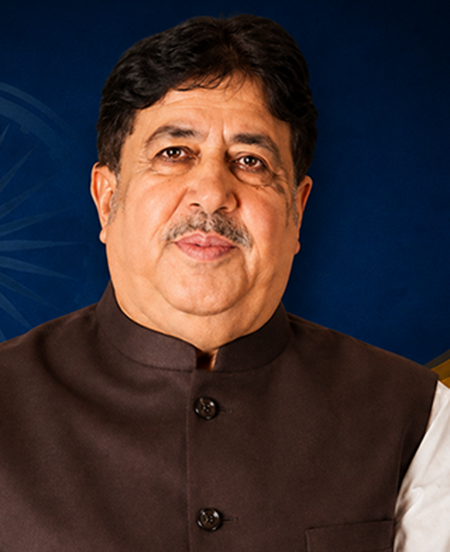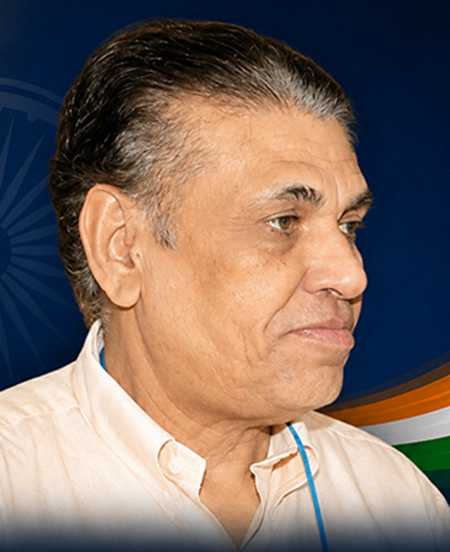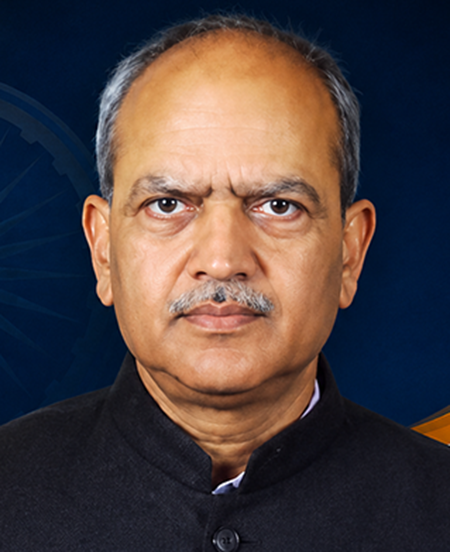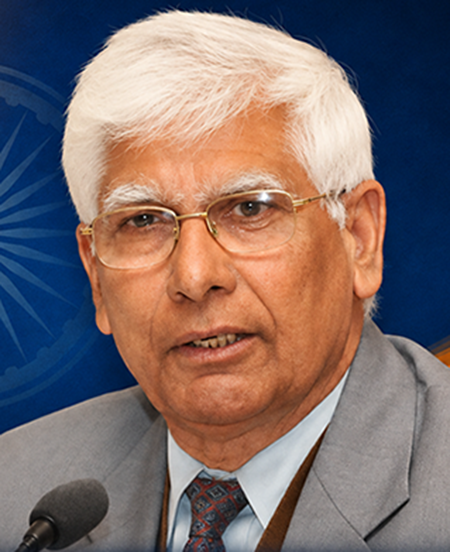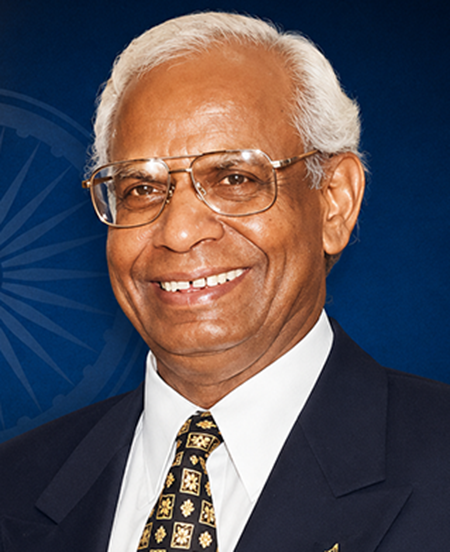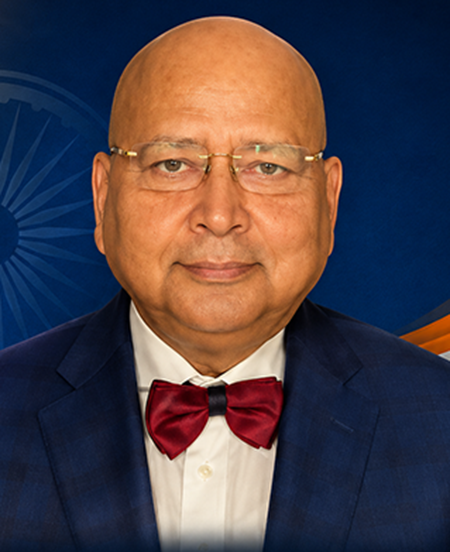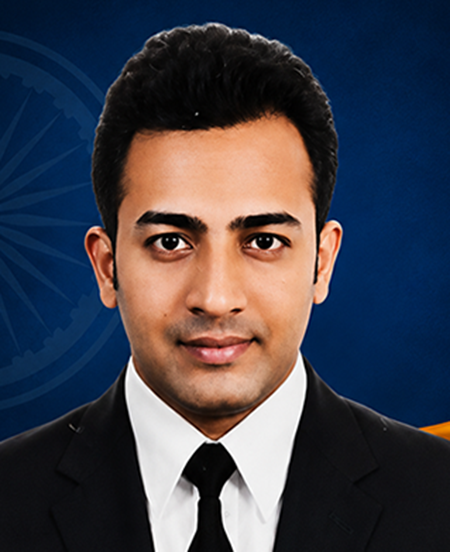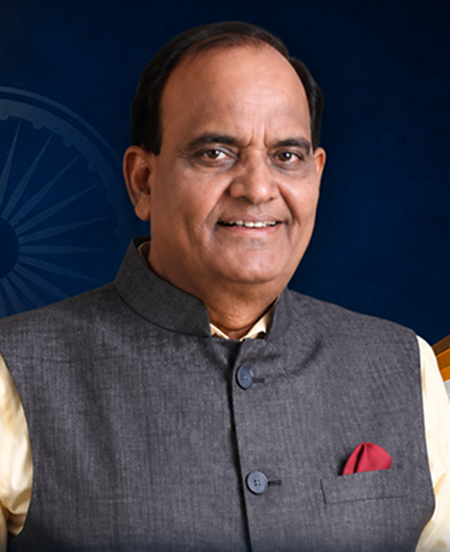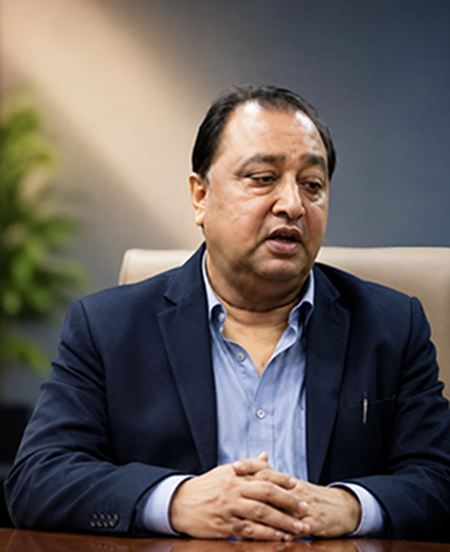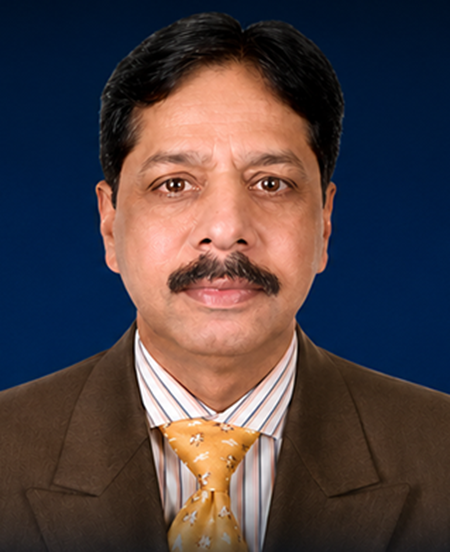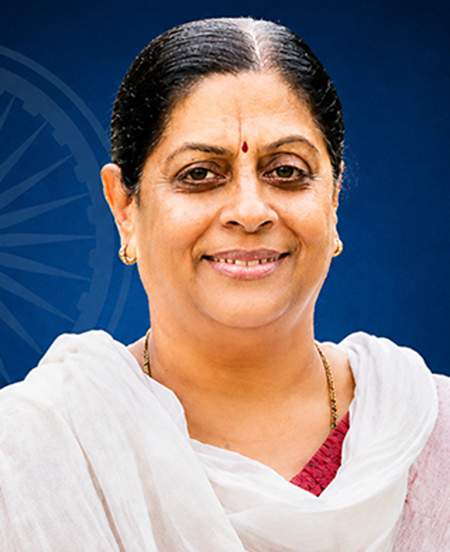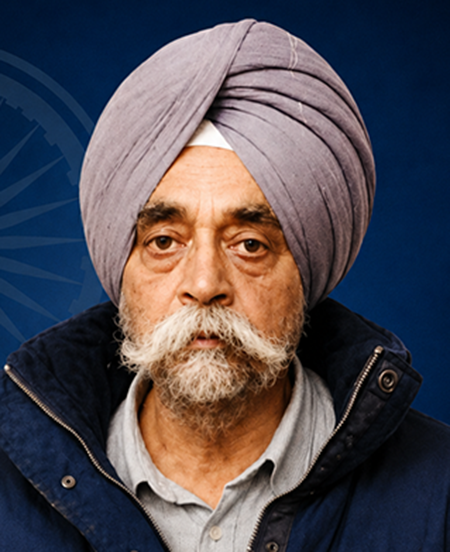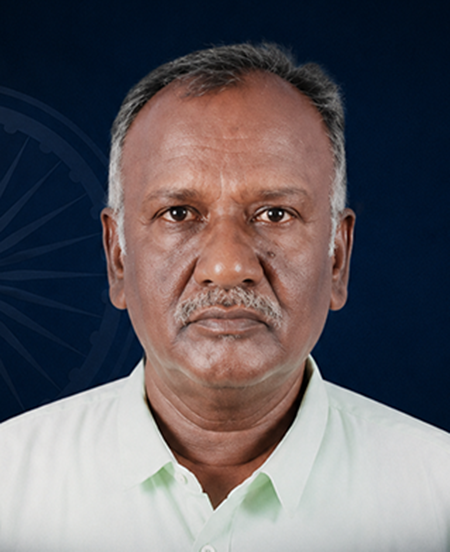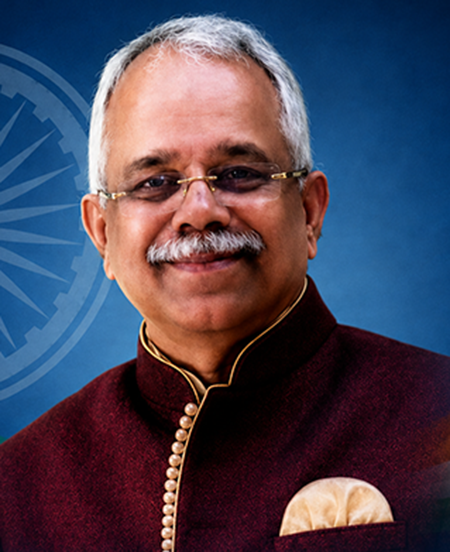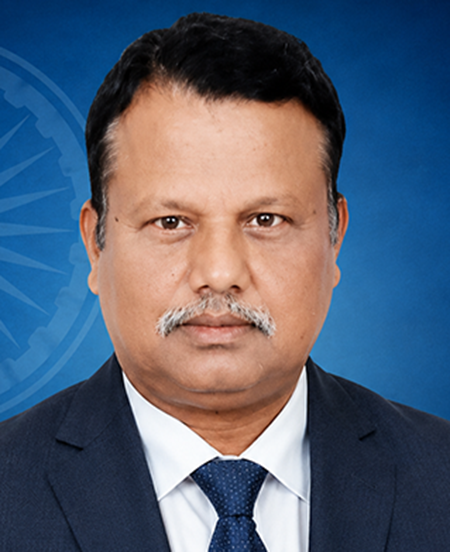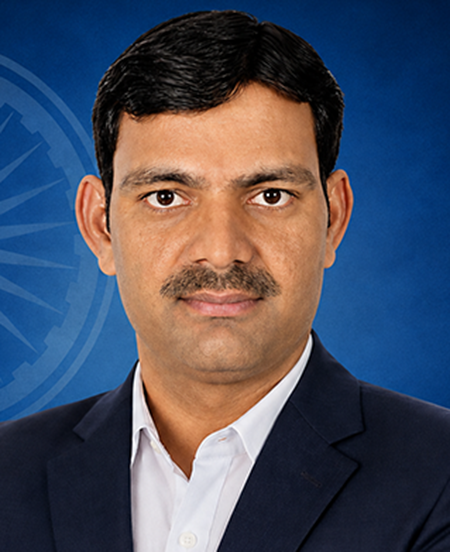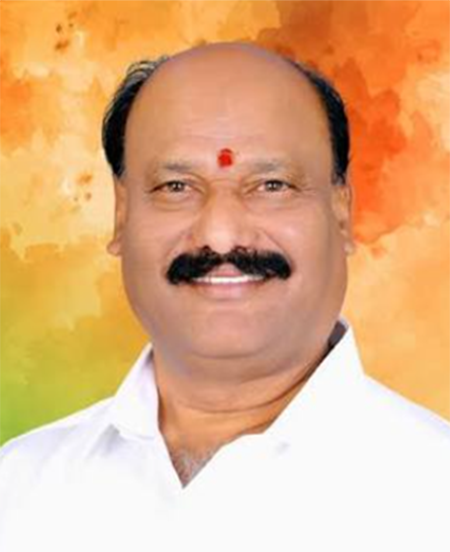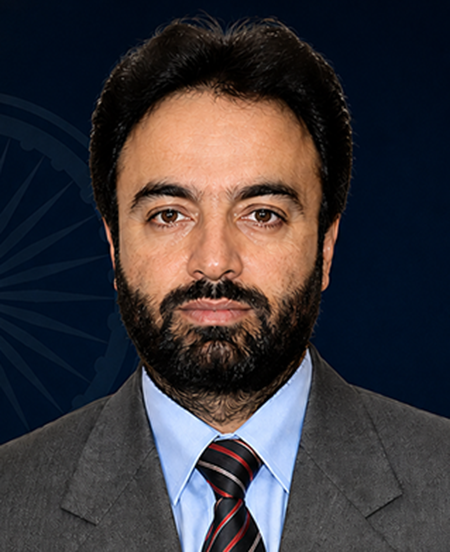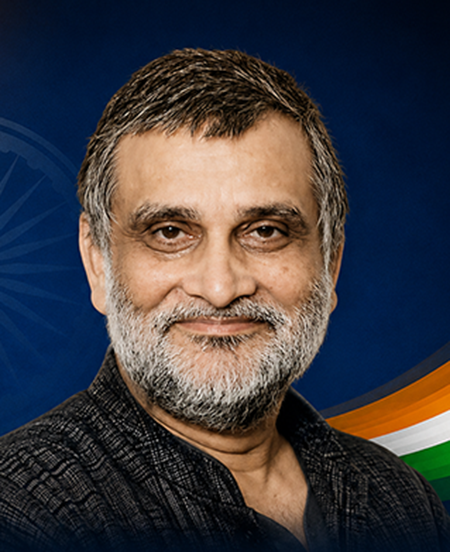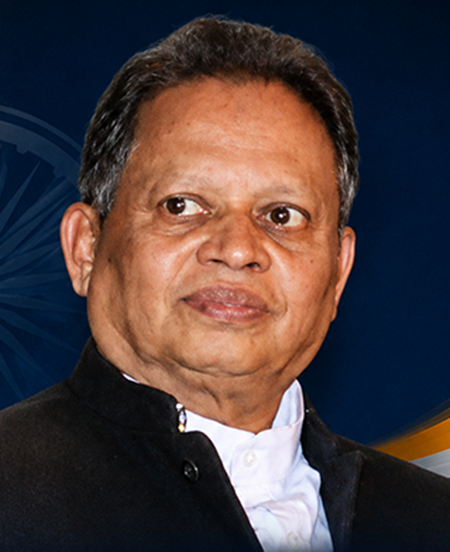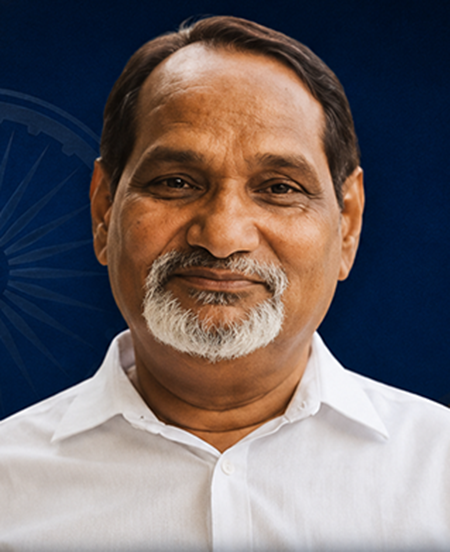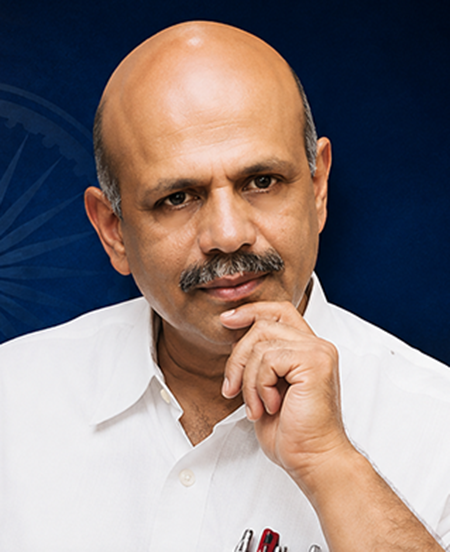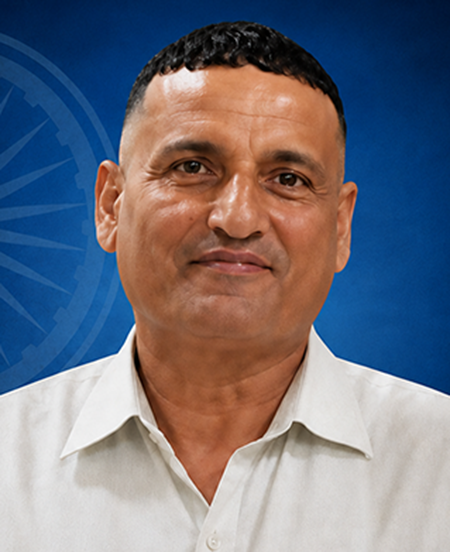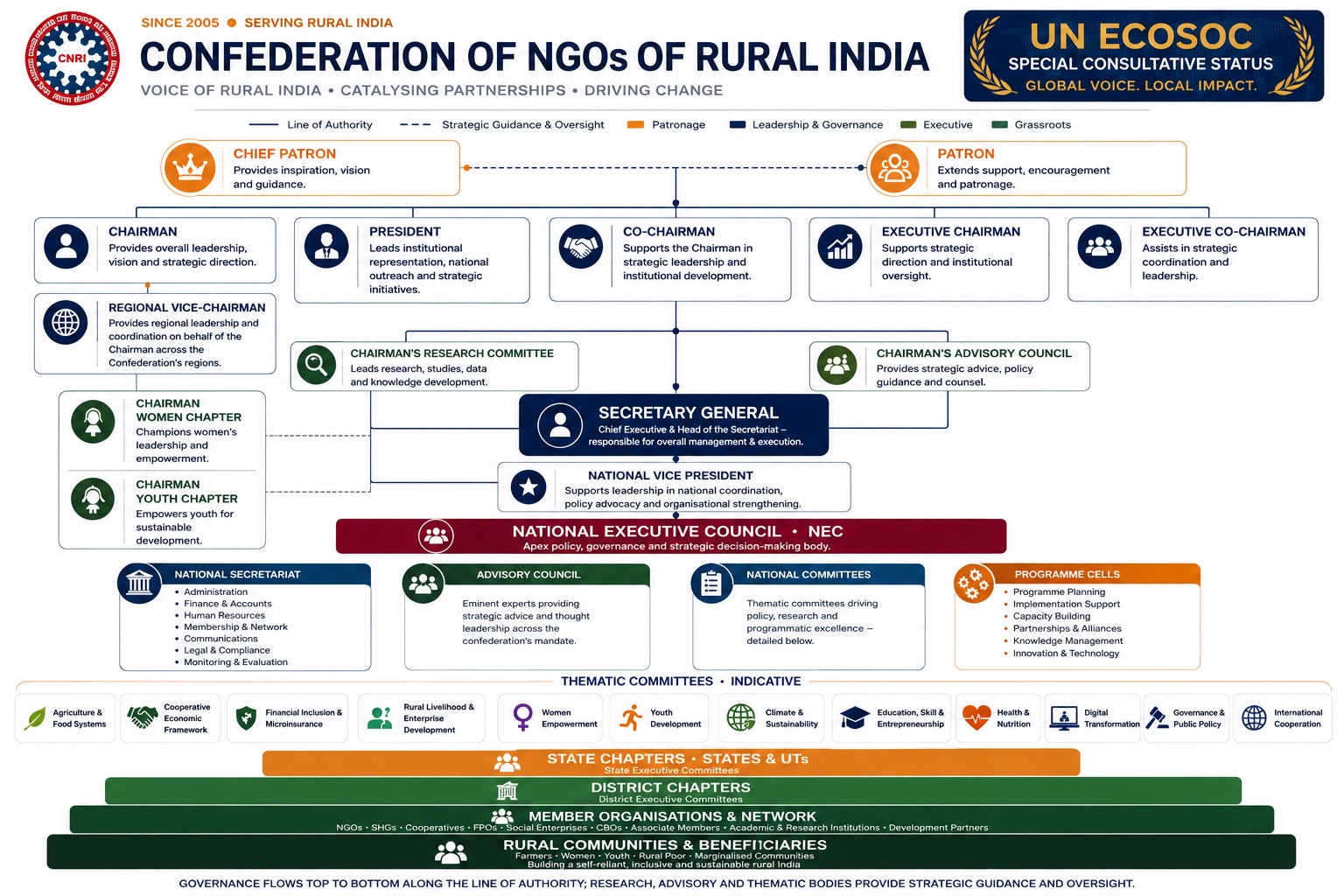
CNRI’s leadership brings together moral guidance, strategic governance and professional execution. Distinguished patrons provide inspiration and standing; the Governing Leadership sets vision and policy; and the Secretary General, as Chief Executive Officer, drives day-to-day implementation. Together they ensure the Confederation stays mission-driven, accountable and effective for its member organisations and rural communities across India.
Patrons — Guidance and Institutional Standing
The Chief Patron and Patron offer moral guidance, institutional support and strategic inspiration. They strengthen CNRI’s long-term vision and enhance its national and international standing. While they do not take part in day-to-day administration, they serve as distinguished mentors whose counsel helps shape the Confederation’s future.
Governing Leadership — Strategic Direction
The Governing Leadership defines CNRI’s vision, approves policies, sets strategic priorities and provides oversight of institutional performance. The roles include:
| Role | Responsibility |
|---|---|
| Chairman | Presides over the Confederation and anchors its strategic vision and values. |
| President | Provides institutional leadership and represents CNRI at the highest level. |
| Co-Chairman | Supports the Chairman in guiding governance and strategic priorities. |
| Executive Chairman | Bridges governance and execution, guiding major institutional initiatives. |
| Executive Co-Chairman | Assists in steering execution of strategic decisions. |
| National Vice President | Strengthens national coordination and stakeholder engagement. |
Executive Leadership — The Secretary General (CEO)
Executive authority rests with the Secretary General, who serves as Chief Executive Officer and Head of the National Secretariat. The Secretary General translates approved vision and policy into measurable outcomes across administration, programmes, finance, partnerships, communications and compliance, and represents CNRI before governments, international institutions and development partners.
Advisory Council & Research Committee
Two specialised bodies support the leadership: the Chairman’s Advisory Council, comprising eminent professionals, policymakers and development experts who offer independent counsel; and the Chairman’s Research Committee, the organisation’s knowledge and policy platform that undertakes research and evidence-based studies. Explore these under Governance.
Note for the web team: insert current names, designations, short bios and photographs of office bearers in each section above, and link to detailed profile pages where available.
FAQ’s
A.CNRI is led by its Governing Leadership (Chairman, President, Co-Chairman, Executive Chairman, Executive Co-Chairman and National Vice President) for strategy, and by the Secretary General as Chief Executive Officer for execution, supported by distinguished patrons.
A.The Secretary General serves as the Chief Executive Officer and Head of the National Secretariat, responsible for all administrative, programmatic and operational functions of the Confederation.
A.The Chief Patron and Patron provide moral guidance, institutional support and strategic inspiration, strengthening CNRI’s vision and standing without taking part in day-to-day administration.
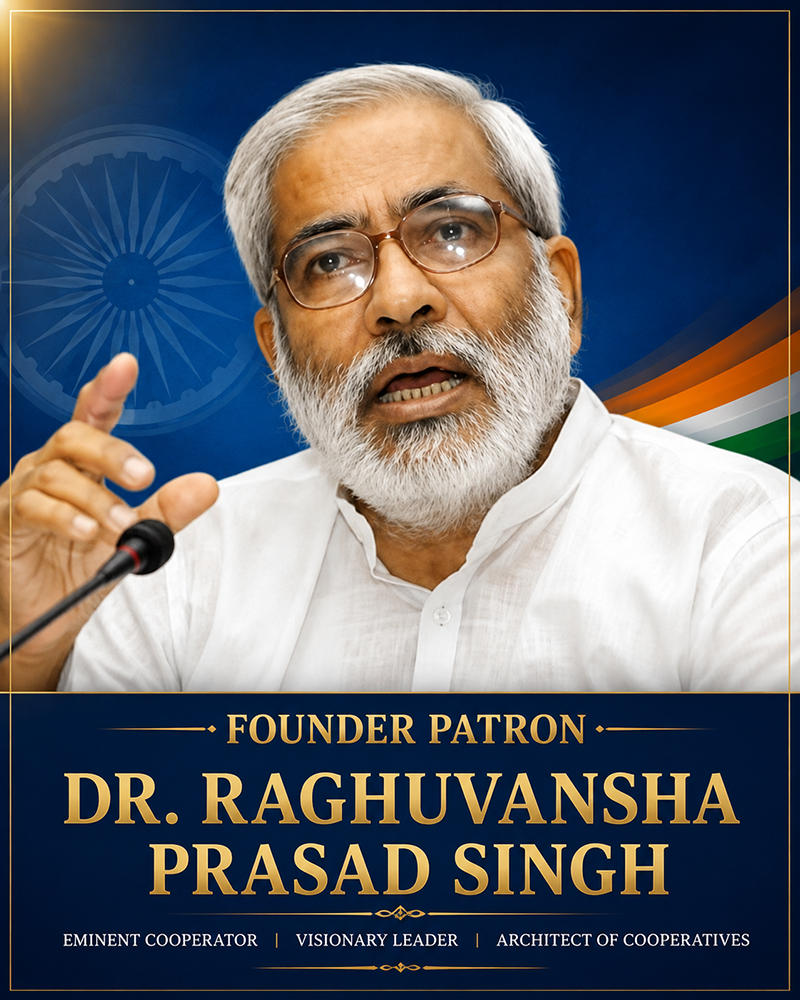
Dr. Raghuvansh Prasad Singh
Founder Patron, Confederation of NGOs of Rural India (CNRI)
Dr. Raghuvansh Prasad Singh (1946–2020) was one of India’s finest statesmen, a visionary socialist leader, an eminent parliamentarian, an academician, and an unwavering champion of rural India. Throughout a distinguished public life spanning more than four decades, he remained deeply committed to the ideals of social justice, participatory democracy, and inclusive development. Admired across political parties for his integrity, simplicity, and intellectual depth, Dr. Singh represented a rare tradition of public leadership where politics was viewed not as a pursuit of power but as a lifelong mission of national service. His humility, accessibility, and unwavering concern for the poorest sections of society earned him immense respect from political colleagues, civil society leaders, grassroots workers, and ordinary citizens alike.