Our Journey

CNRI was founded to unite India’s fragmented voluntary sector under one representative national body, giving rural NGOs a common voice in policymaking and grassroots development.
CNRI’s 2005 founding created India’s apex civil society platform, uniting rural NGOs under one national voice to shape grassroots development and policy.
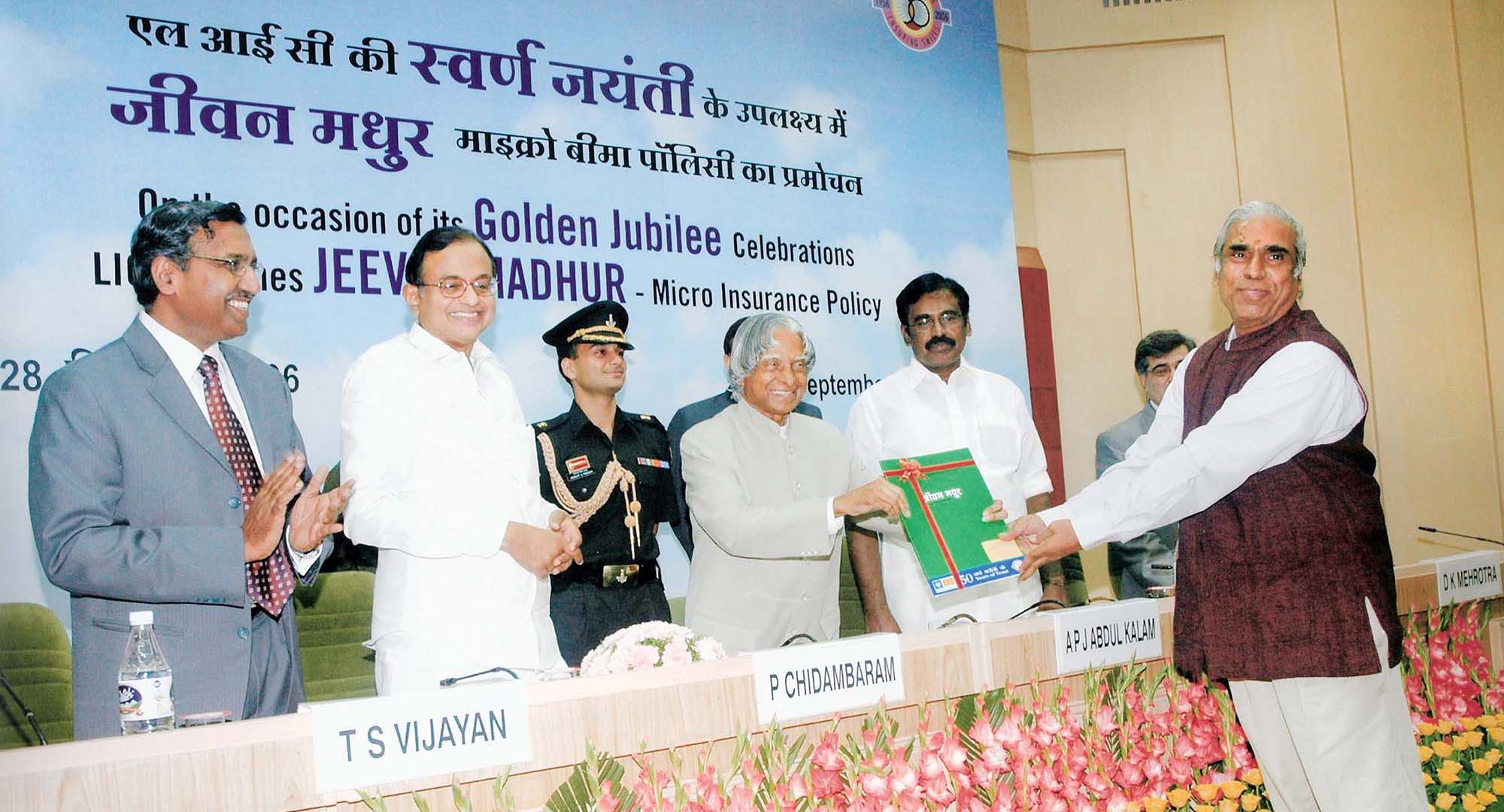
CNRI worked to extend micro-insurance to underserved rural households, bringing life cover and financial security within reach of the poorest families.
In 2006, CNRI advanced rural financial inclusion through LIC micro-insurance, bringing affordable life cover and security to India’s underserved households.
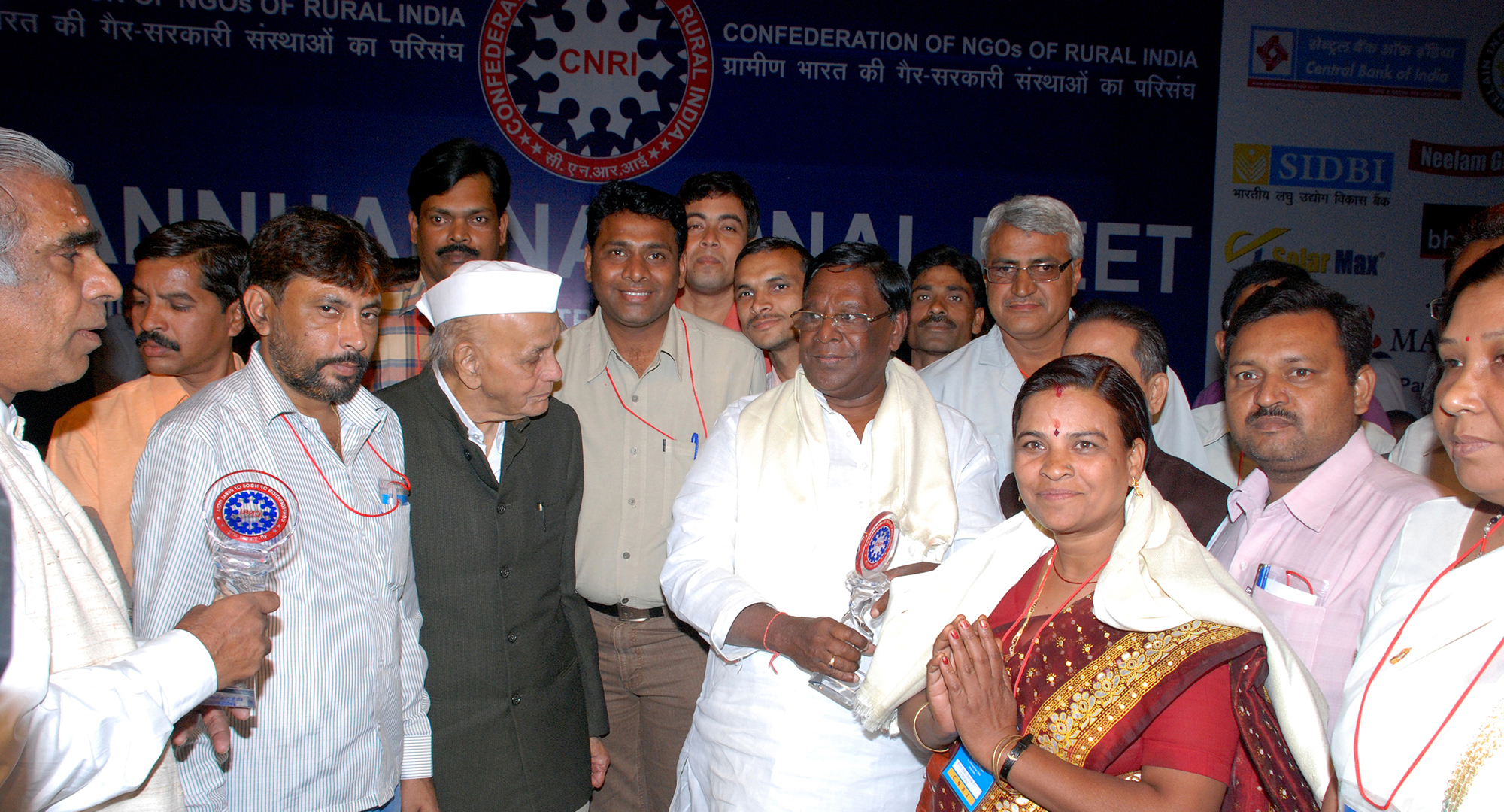
A nationwide outreach campaign carried development awareness into India’s villages, connecting communities directly with schemes, rights and public services.
CNRI’s 2007 Bharat Vikas Yatra took development to the grassroots, linking villages across India with government schemes, entitlements and civic awareness.
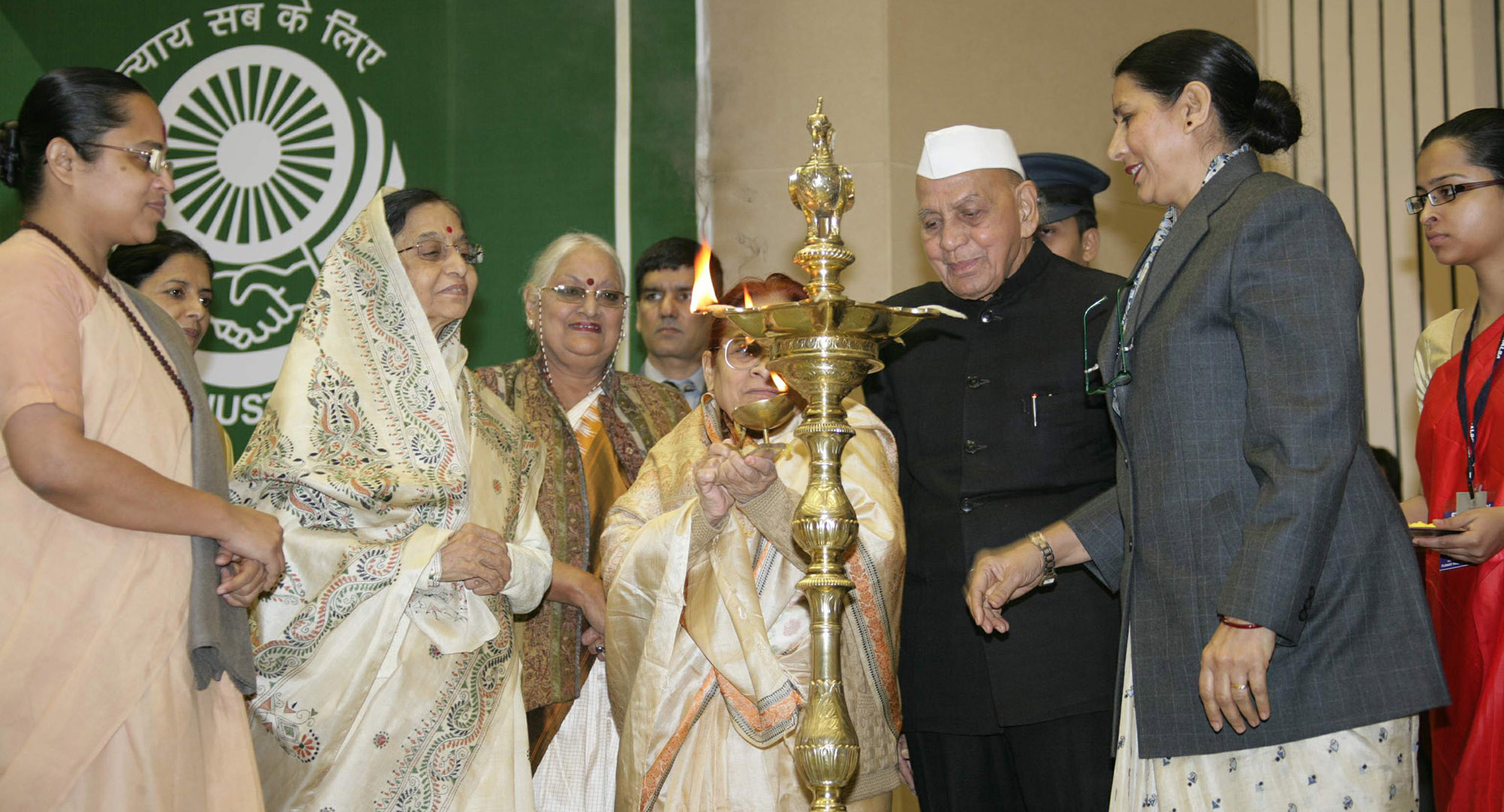
CNRI championed legal awareness so rural citizens could know and claim their rights, making justice more accessible at the community level.
In 2008, CNRI drove national legal literacy and access to justice, empowering rural citizens to know, claim and exercise their legal rights.
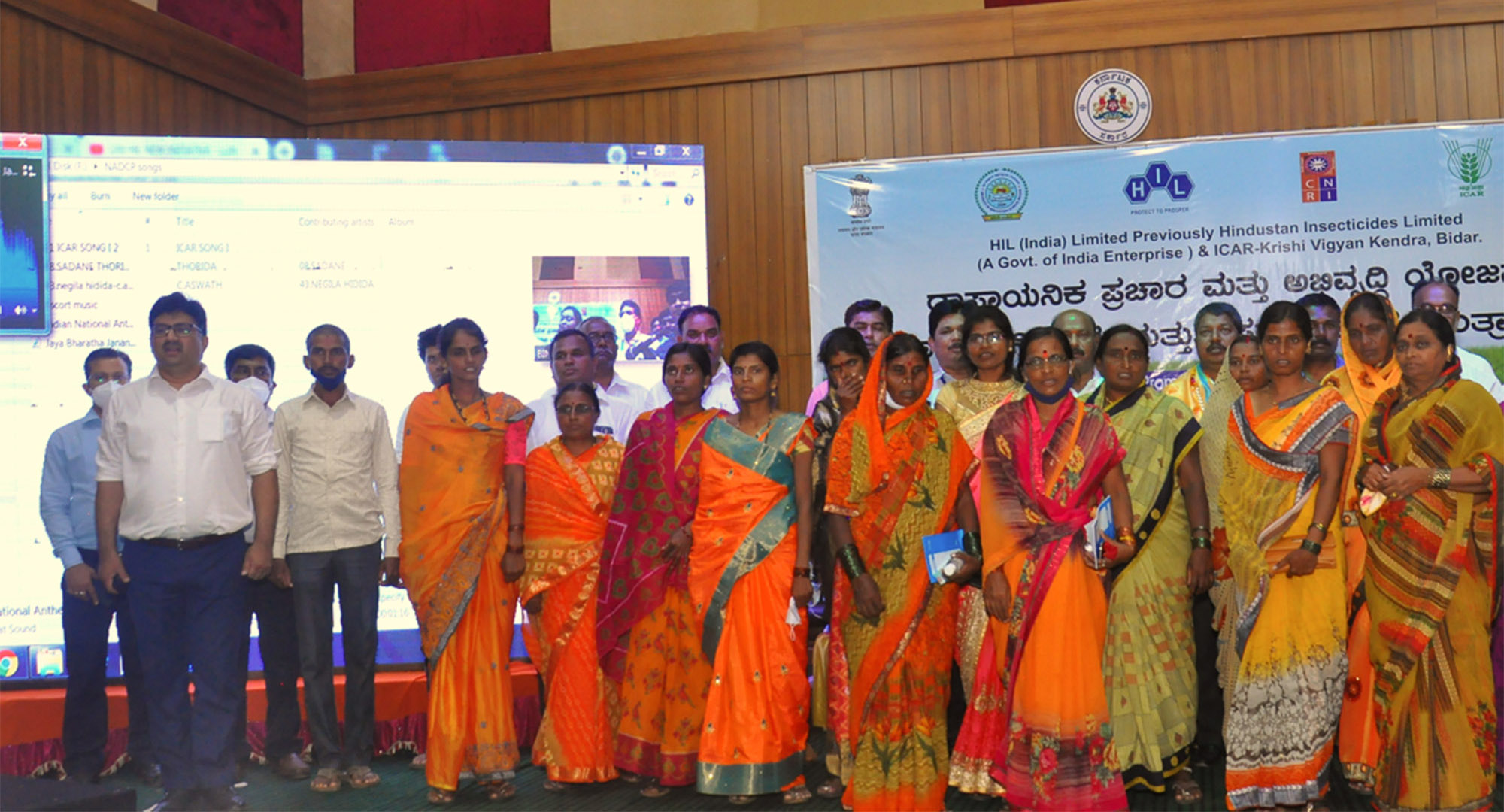
The focus shifted to nurturing durable community organisations, making strong local institutions the foundation for self-reliant rural development.
CNRI’s 2009 mission built grassroots institutions, strengthening community organisations as the foundation for self-reliant, participatory rural development.
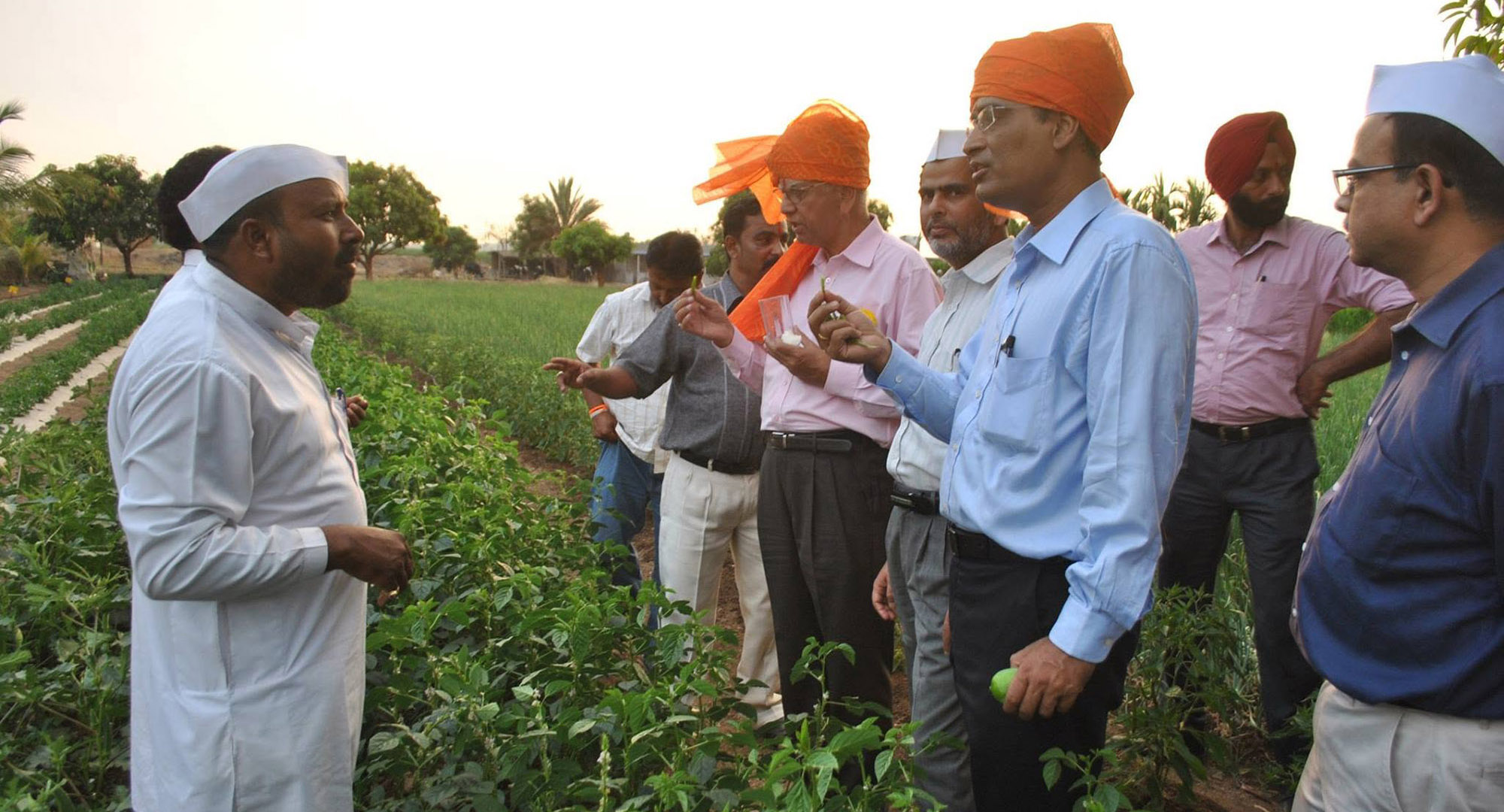
CNRI invested in knowledge-sharing and skills to empower communities, equipping grassroots actors to lead their own progress.
In 2010, CNRI focused on knowledge, education and capacity building, equipping rural communities and grassroots leaders to drive their own development.
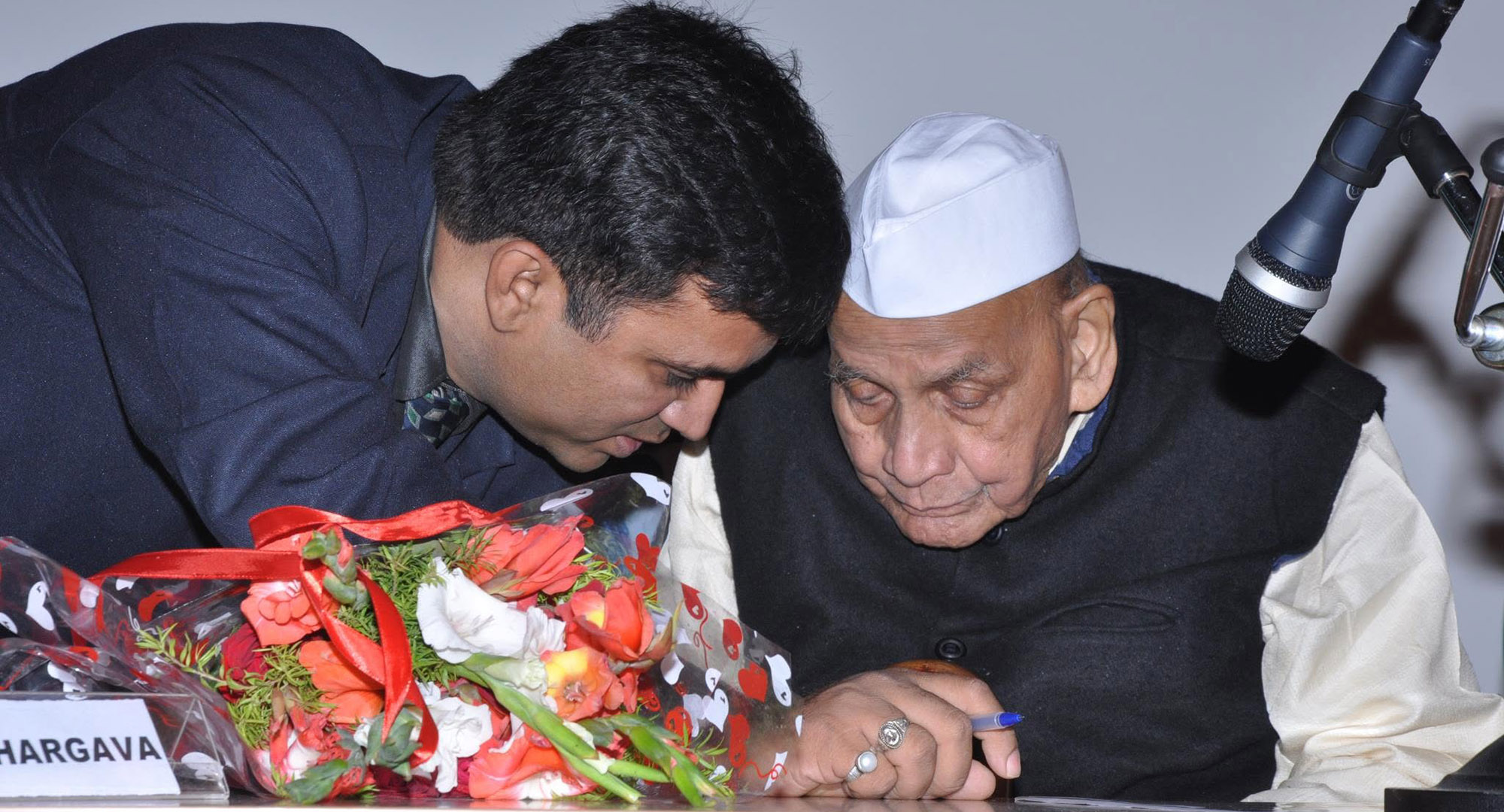
CNRI promoted the Swavalamban scheme to bring pensions to informal workers, advancing old-age security for India’s unorganised sector.
CNRI’s 2011 Swavalamban push expanded pension inclusion, extending old-age financial security to India’s informal and unorganised rural workforce.

CNRI supported universal elementary education at the community level, strengthening school access and learning outcomes across rural India.
In 2012, CNRI backed educational reform through Sarva Shiksha Abhiyan, strengthening school access and learning outcomes across rural India.
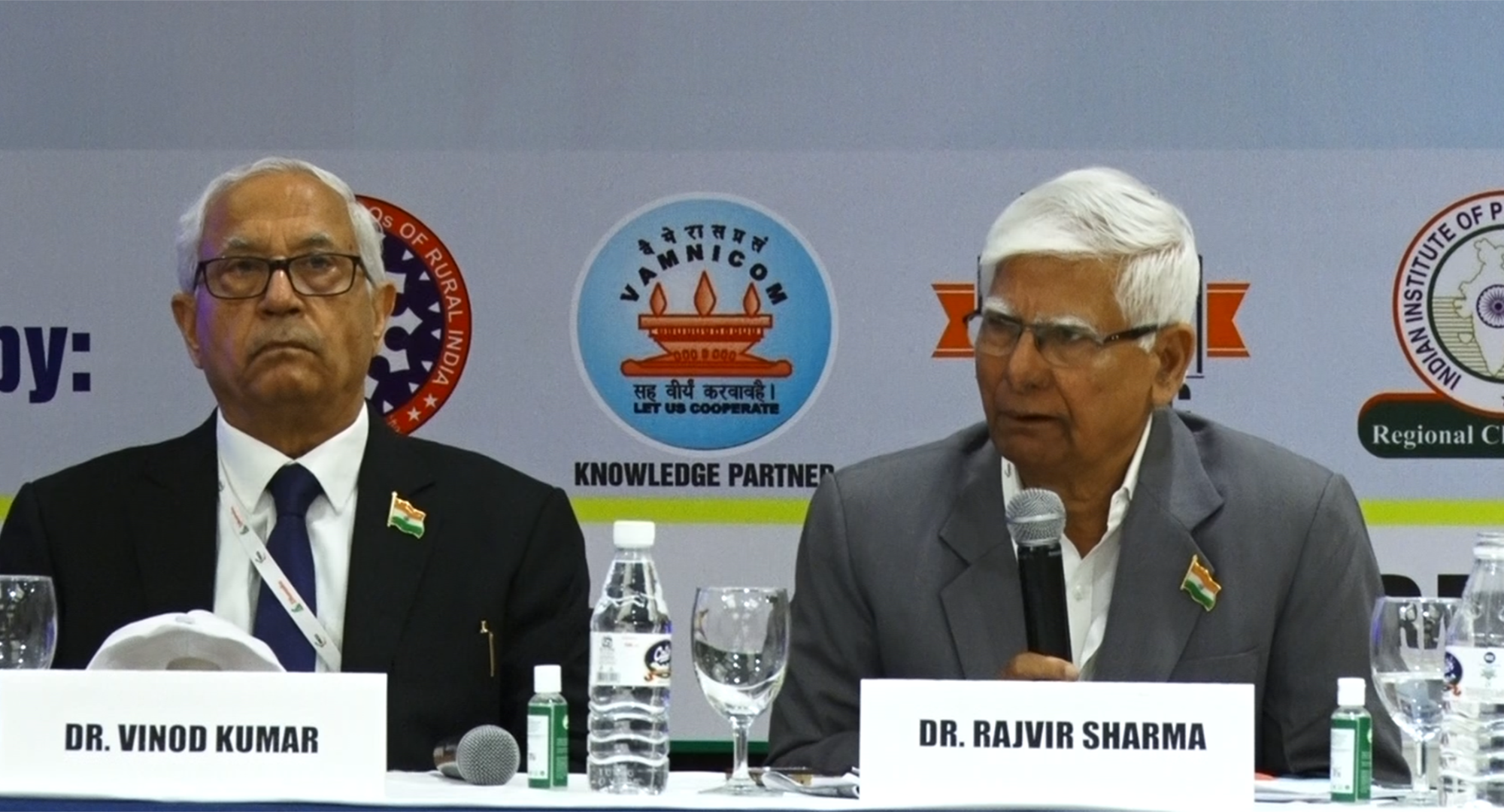
CNRI forged partnerships to promote open, accountable governance, placing transparency at the centre of its civil society agenda.
CNRI’s 2013 work strengthened national partnerships for transparency and accountability, embedding good governance in India’s civil society ecosystem.
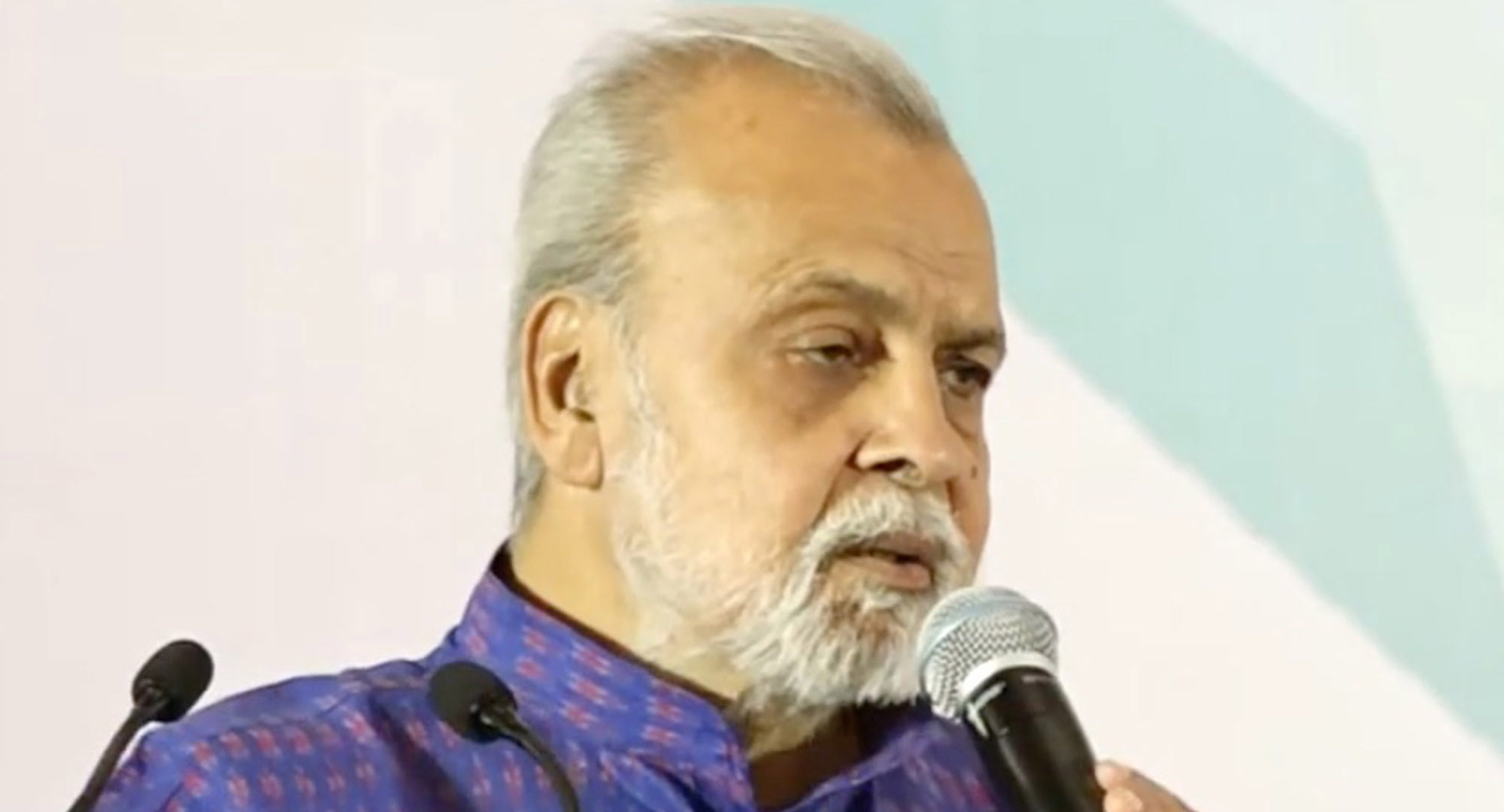
CNRI turned to mentoring young leaders for the voluntary sector, preparing a new generation to carry forward grassroots change.
In 2014, CNRI invested in the next generation of civil society leadership, mentoring young changemakers to sustain India’s grassroots movement.
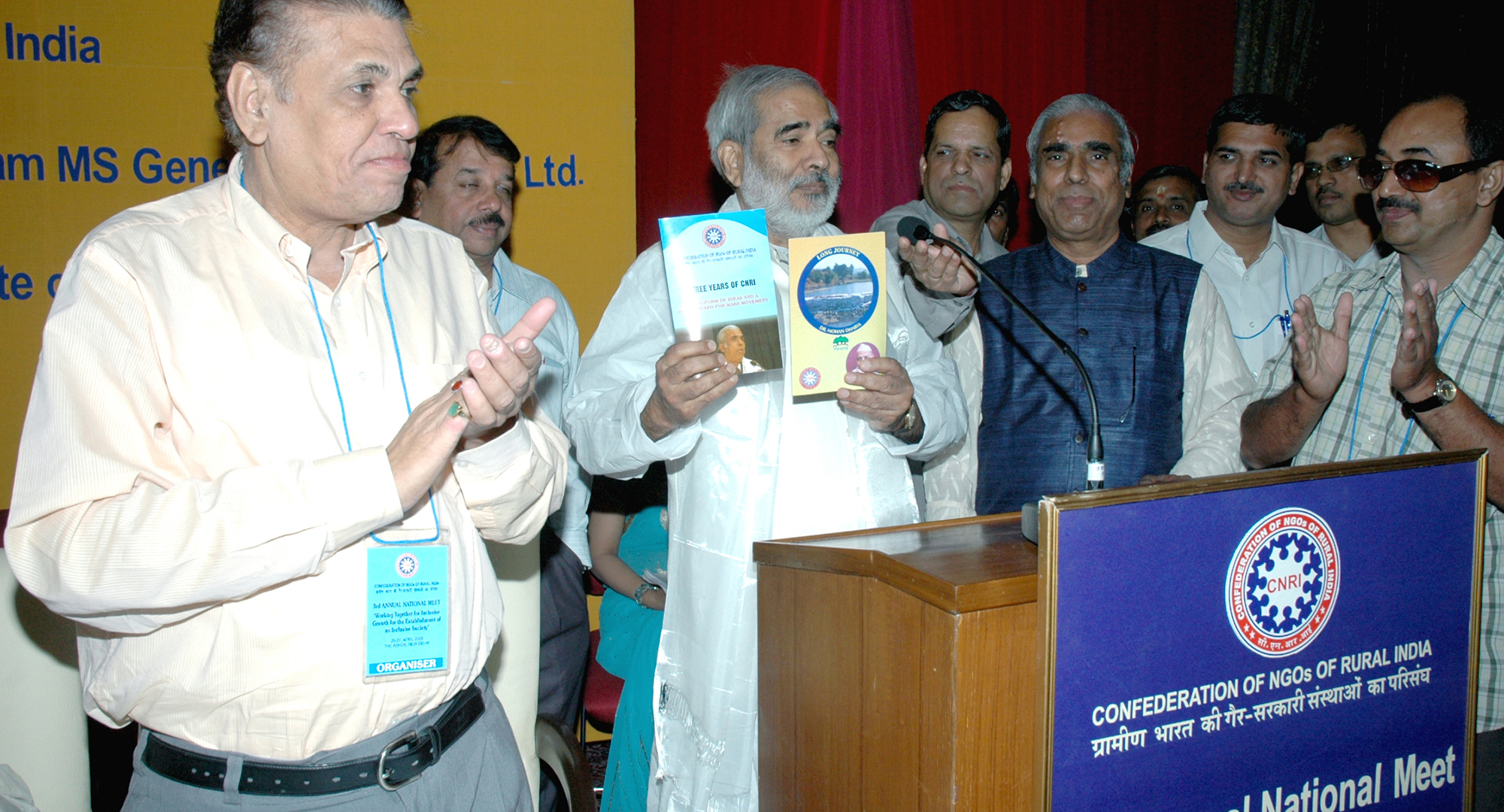
CNRI helped connect rural citizens to Jan Dhan, Aadhaar and mobile banking, delivering direct benefits and banking to the last mile.
CNRI’s 2015 effort advanced financial inclusion via the JAM trinity — Jan Dhan, Aadhaar and mobile — delivering banking and benefits to rural India.
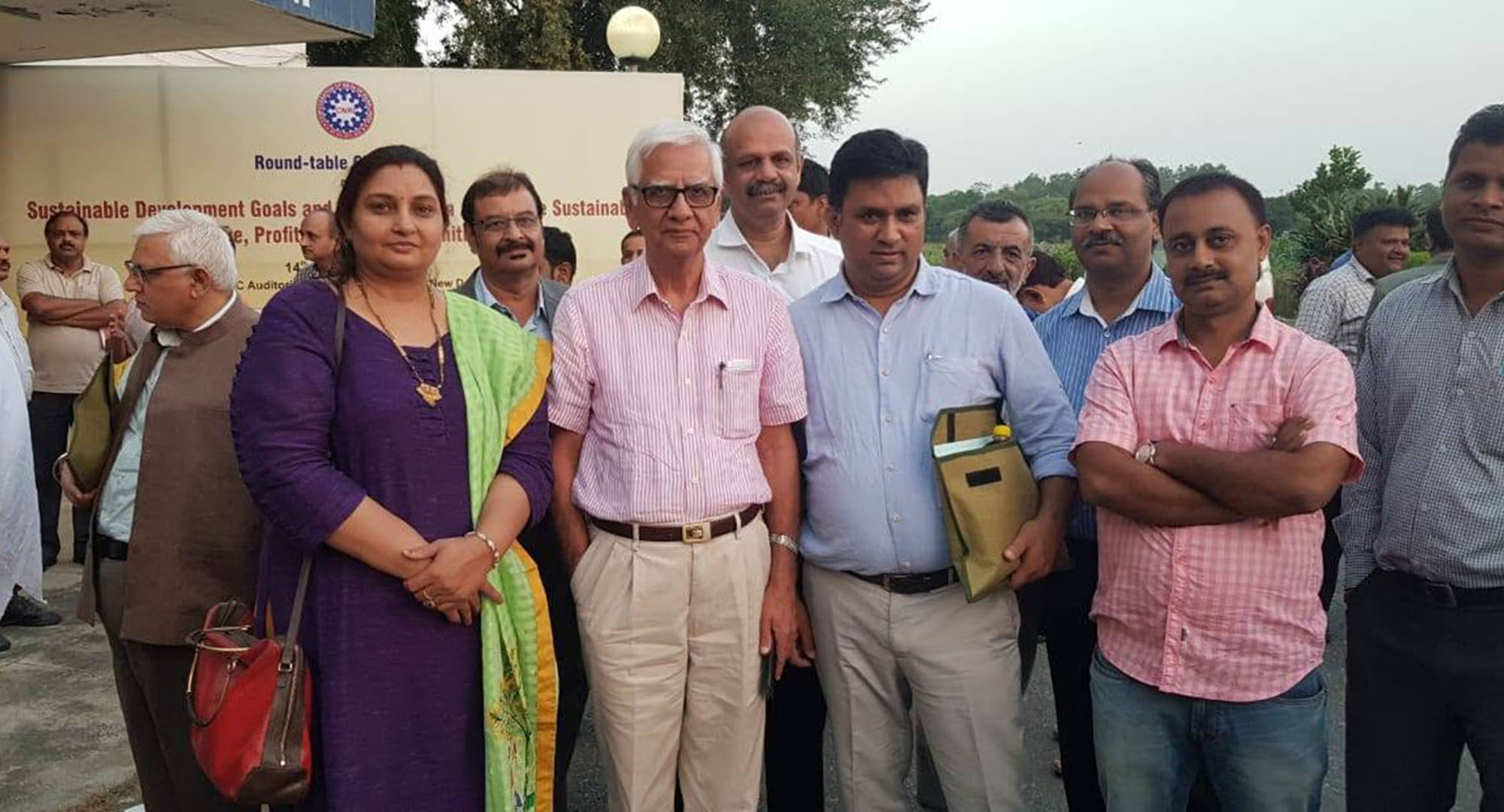
CNRI advocated farmers’ access to modern agricultural technology, framing the bridging of the digital divide as key to rural prosperity.
In 2016, CNRI championed the Right to Technology for farmers, bridging the rural digital divide to boost productivity and agricultural prosperity.

CNRI worked to give farmers a fairer share along the value chain, aiming to break intermediary dominance and raise farm incomes.
CNRI’s 2017 agenda democratised the agricultural value chain, empowering farmers with fairer market access and a greater share of value.

CNRI promoted collectives and cooperative commodity zones, building farmer-owned markets that strengthened bargaining power and returns.
In 2018, CNRI built farmer-owned markets through collectives and cooperative commodity zones, boosting bargaining power and rural incomes.
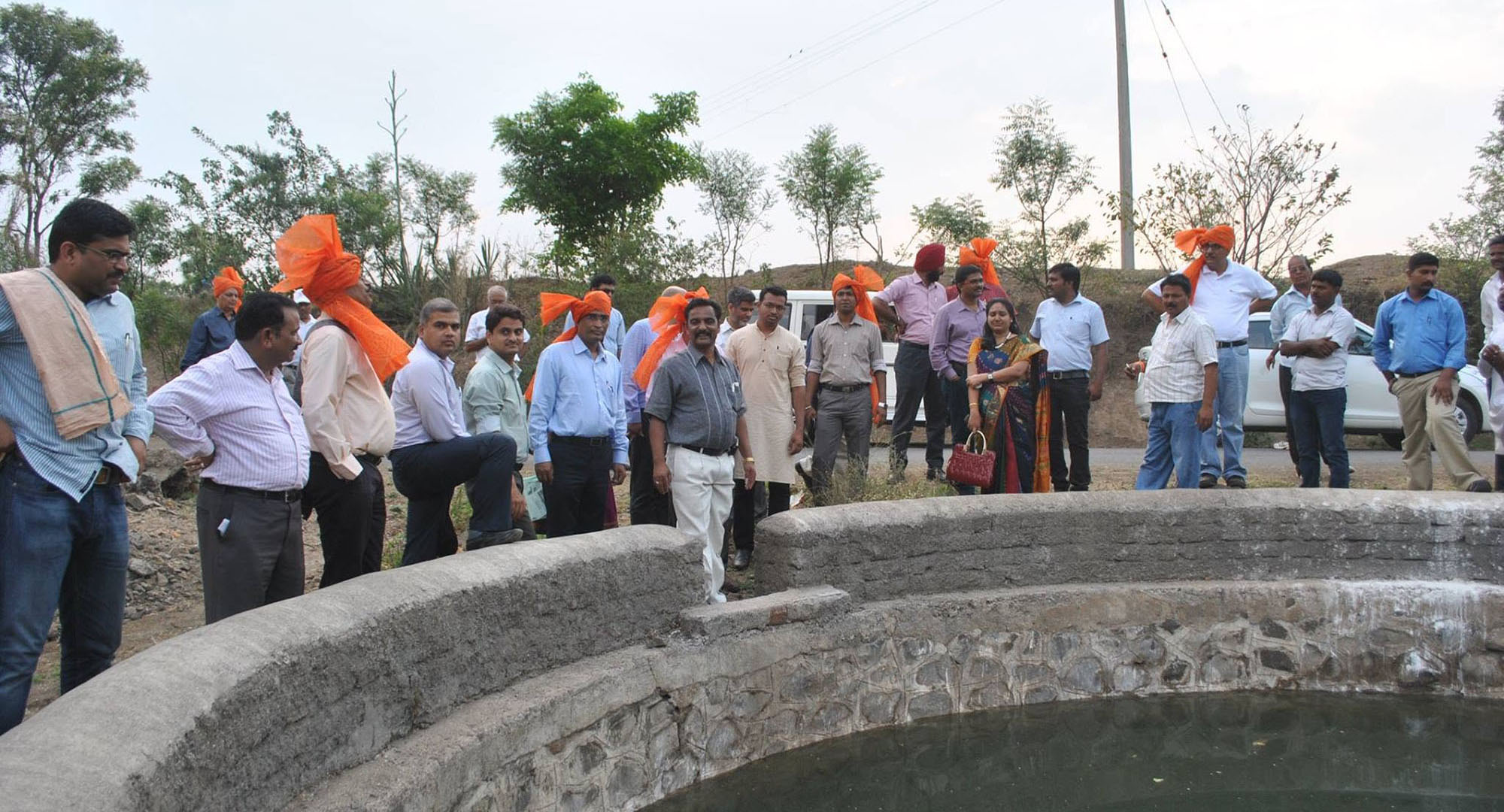

CNRI began articulating cooperation as a model for inclusive growth, giving shape to the Cooperative Economic Framework as its guiding vision.
In 2020, CNRI moved towards a Cooperative Economic Framework, positioning cooperation as a model for inclusive, community-led economic growth.
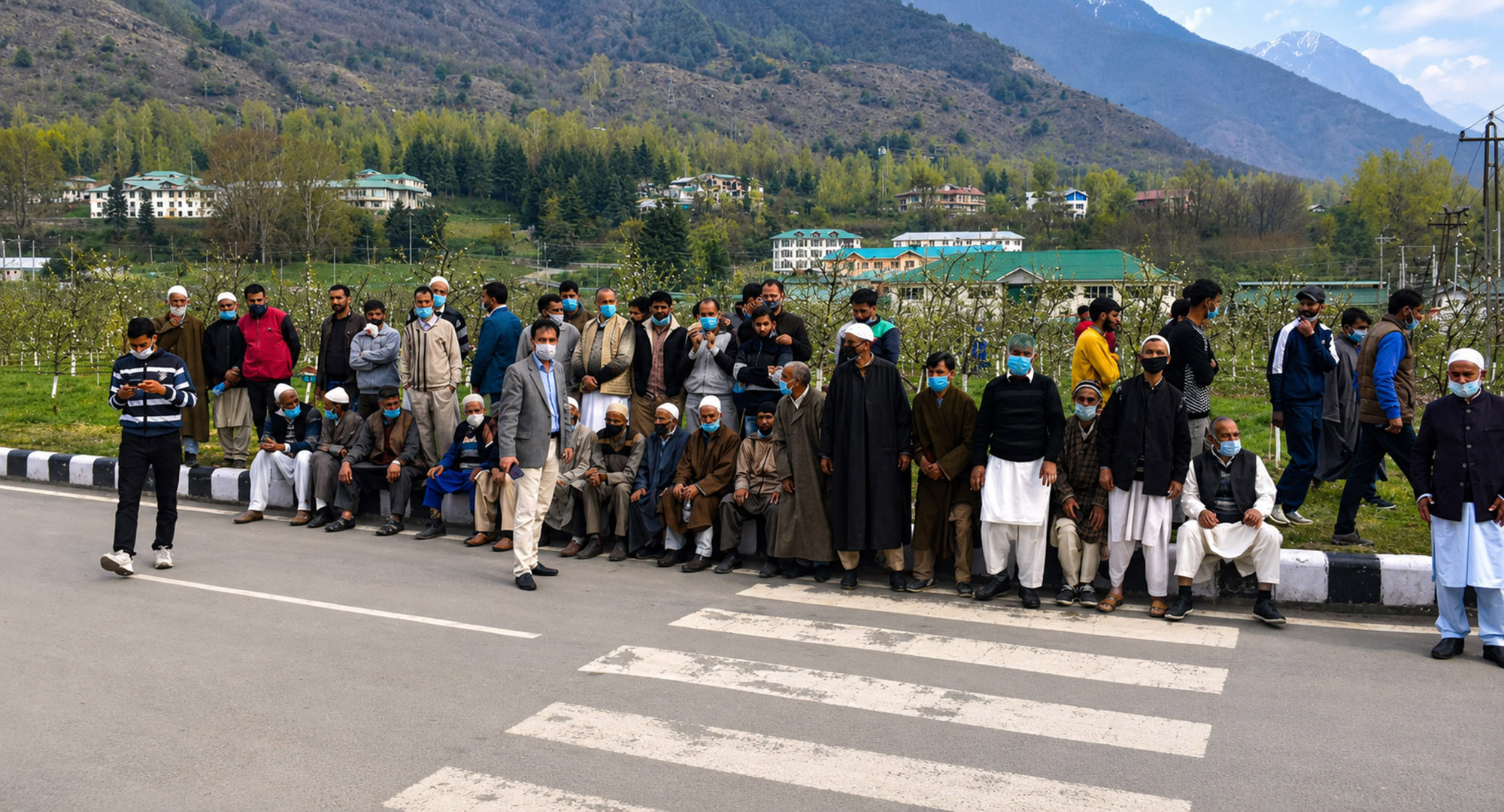
Amid the pandemic, CNRI mobilised communities for relief and recovery, showing local resilience to be central to weathering the crisis.
CNRI’s 2021 focus on resilient communities drove community-led pandemic recovery, showing local solidarity as the key to weathering crisis.

CNRI stepped onto the global stage with wider policy engagement, amplifying rural India’s voice in international forums.
In 2022, CNRI earned global recognition and deepened international policy engagement, carrying rural India’s voice onto the world stage.
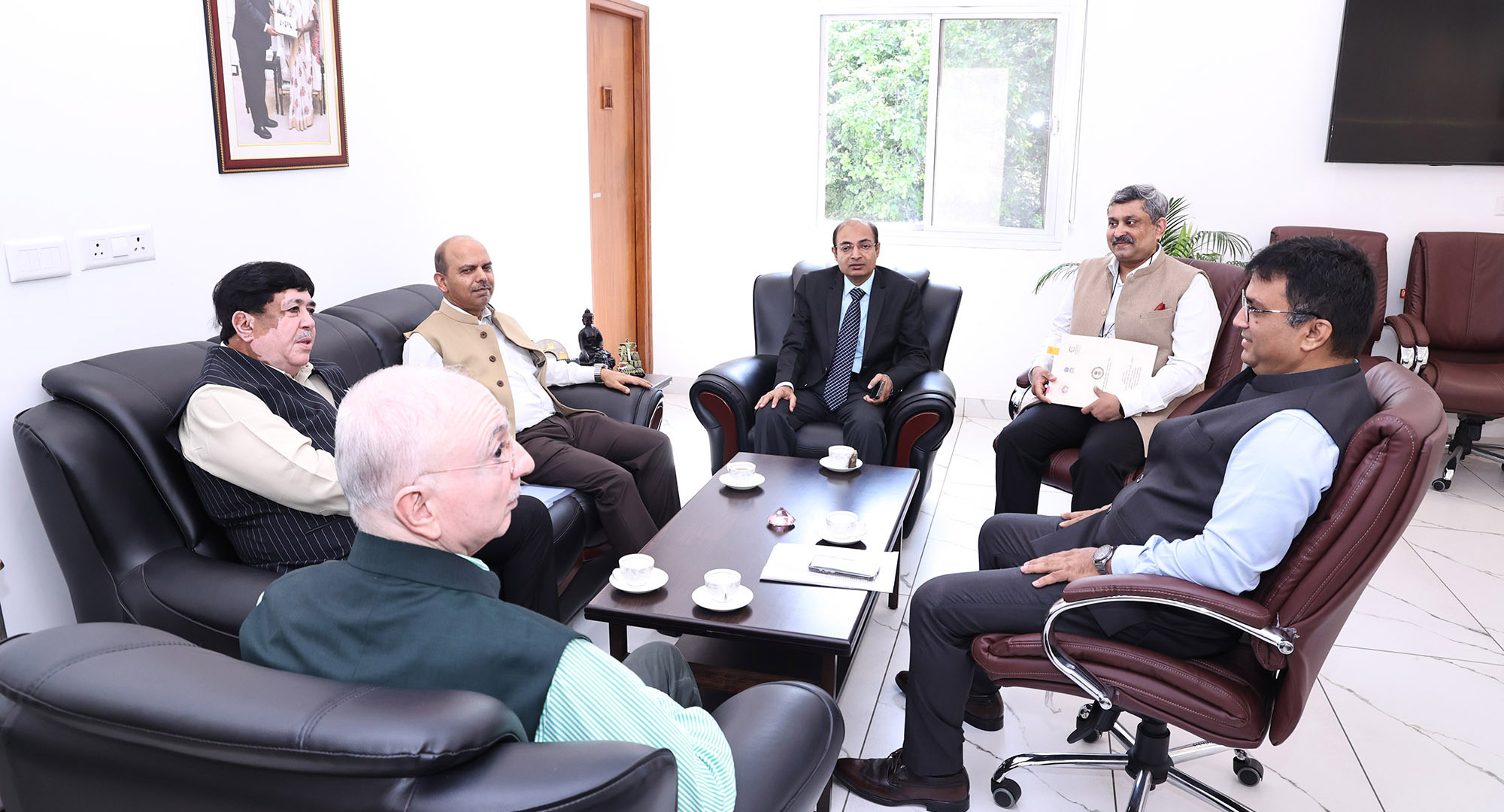
CNRI advanced cooperative diplomacy to build cross-border alliances, expanding the reach of its cooperative agenda through global partnerships.
CNRI’s 2023 cooperative diplomacy forged global partnerships, extending India’s cooperative economic vision through international collaboration.
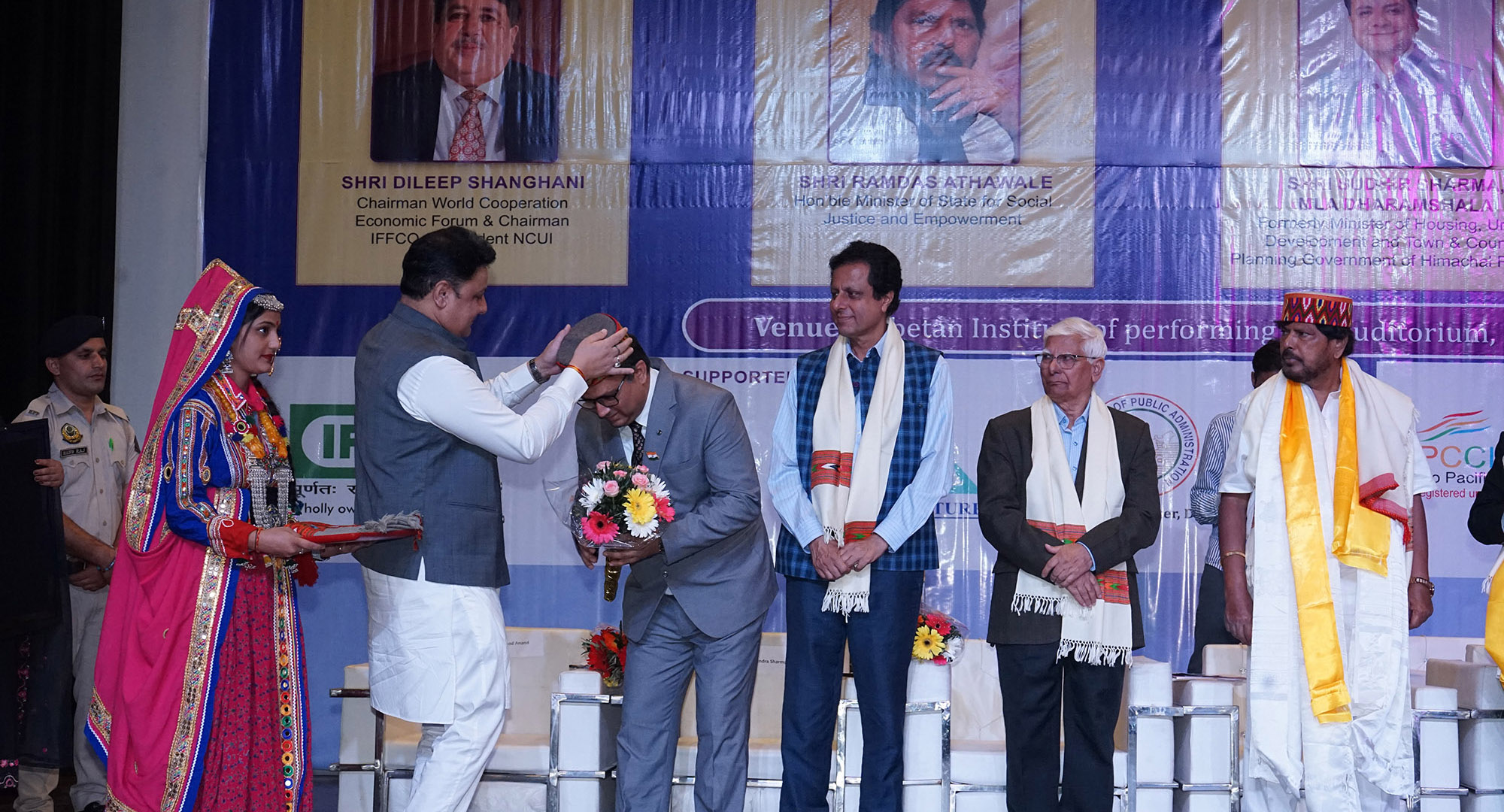
CNRI joined the drive for a drug-free India through community action, positioning civil society as a frontline force against addiction.
In 2024, CNRI advanced Nasha Mukt Bharat, mobilising civil society for de-addiction and building healthier, drug-free rural communities.
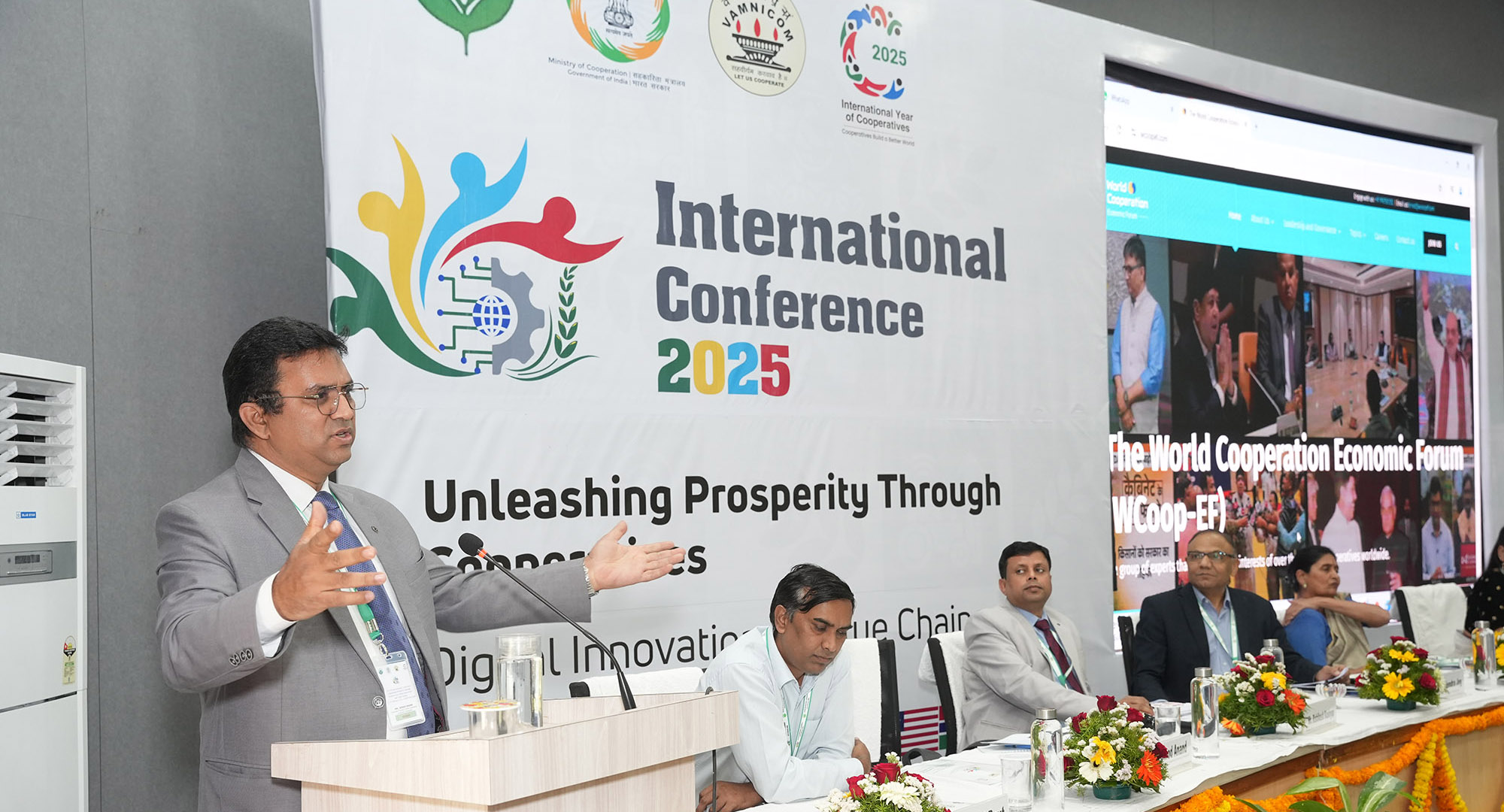
CNRI emerged as a global advocate for the Cooperative Economic Framework, giving its vision of cooperation an international platform.
In 2025, CNRI became a global voice for the Cooperative Economic Framework, championing cooperation as a worldwide model for inclusive prosperity.