Recognition is an opening, not an achievement; its true value lies entirely in what one does with it. Having secured UN ECOSOC status in 2022, CNRI devoted 2023 to using it purposefully — building the international relationships through which ideas travel, evidence is exchanged, and influence is patiently won. The confederation understood clearly that its cooperative economic vision could not remain a national argument alone; to shape the world’s thinking about development, it had to engage the world’s institutions, forums, and networks directly and sustainedly.
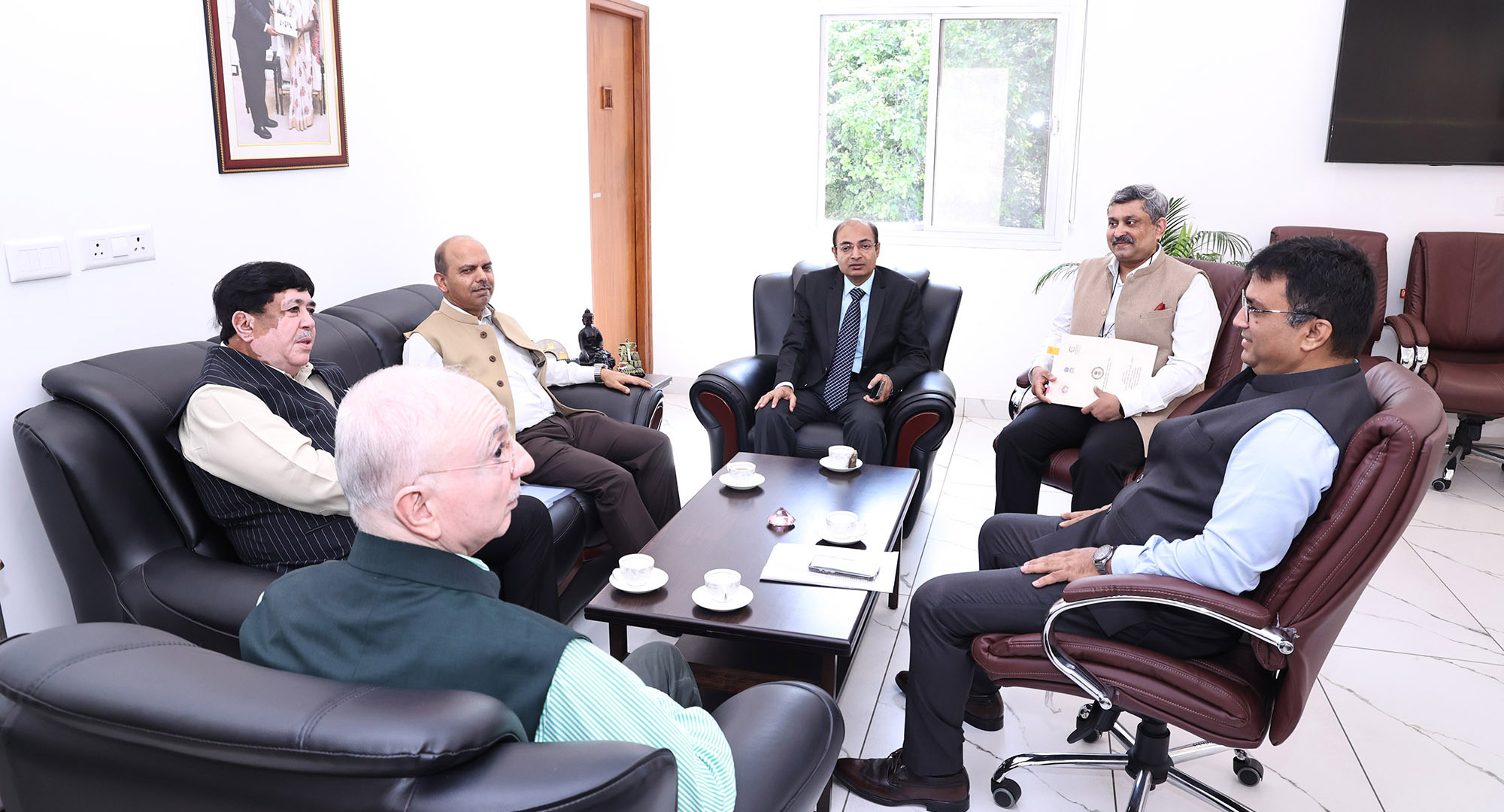
CNRI therefore practised what may be called cooperative diplomacy: the deliberate, patient cultivation of partnerships with UN agencies, OECD platforms, international cooperatives, academia, and global civil-society organizations. The purpose was genuine two-way learning — carrying the hard-won lessons of grassroots India to the world, while bringing global knowledge, standards, and best practice home to strengthen the network. In doing so, CNRI began to embed itself within the international cooperative movement and the broader architecture of global development, moving from recognized outsider to active participant.
This international engagement flowed naturally from CNRI’s cooperative philosophy. Cooperation among institutions across borders is simply the same principle — mutual benefit through collaboration rather than competition — practised at a global scale. In building these partnerships, CNRI was not departing from its grassroots mission but extending it, applying the logic of cooperation to the relationships between nations, institutions, and civil societies.
| ACTION TAKEN |
- Built partnerships with UN and OECD platforms. CNRI cultivated working relationships with UN agencies and OECD forums, establishing durable channels through which its cooperative vision could enter international policy conversations.
- Engaged international cooperatives and academia. The confederation connected with the global cooperative movement and with scholars and research institutions, positioning cooperative economics as a subject of serious international dialogue and study.
- Promoted two-way knowledge exchange. CNRI carried grassroots Indian evidence and experience outward while bringing global best practice back to its network, enriching both its international contribution and its domestic work.
- Practised cooperative diplomacy for development. By engaging diverse international actors around shared goals of sustainable development, CNRI advanced its agenda through partnership and collaboration rather than isolation.
- Extended cooperation to the global scale. CNRI applied its founding principle of mutual benefit through collaboration to relationships between institutions and nations, practising cooperation itself as a form of diplomacy.
| IMPACT |
- CNRI joined the global cooperative movement. The confederation embedded itself within the international cooperative and development community, extending its reach, its relationships, and its influence.
- Knowledge flowed in both directions. Partnerships enabled learning to travel from grassroots India to the world and back again, strengthening both CNRI’s own work and its international contribution.
- Cooperative economics gained an international audience. CNRI advanced its flagship agenda on global platforms, elevating cooperative economics as a topic of genuine worldwide relevance and interest.
- A foundation for global advocacy was laid. The relationships and credibility built in 2023 prepared the ground for CNRI’s fuller emergence as a leading global voice for the Cooperative Economic Framework.
- India’s grassroots experience enriched the world. Through exchange, the lessons of India’s villages contributed to global development thinking, giving rural India an outward-facing voice.
ENDURING SIGNIFICANCE
Cooperative diplomacy turned recognition into influence. By building genuine, lasting partnerships across the international system, CNRI ensured that its vision would be heard where global norms and development priorities are shaped — and that the wisdom of rural India would both enrich and be enriched by the wider world. The year showed the confederation practising its own philosophy at the highest level: cooperation, mutual benefit, and collaboration are not only principles for villages and value chains, but for the relationships between the world’s institutions and civil societies as well.