By 2009, CNRI had proven what a national platform could achieve; now it turned to the harder, less visible work of building the institutions that would sustain that platform for the long term. A confederation is only as strong as the organizations that compose it, and a national voice is only as authentic as its roots are deep. If CNRI was to speak credibly for rural India, it needed a genuine grassroots backbone — not a headquarters that spoke about communities, but a living network that spoke from within them, present and accountable in every district it claimed to represent.
The year was therefore devoted to institution building: to establishing and strengthening State and District Chapters, to raising the governance and leadership standards of member organizations, and to anchoring the confederation firmly in local realities. This was patient, foundational work — the kind that rarely makes headlines but ultimately determines whether an institution endures beyond the enthusiasm of its founding. It was the difference between a movement that flares and fades and one that becomes a permanent feature of national life.
Underlying this effort was a clear-eyed understanding of what makes federations fail. Many national bodies exist only on paper, their local units dormant, their claims to representation hollow. CNRI resolved to be different by investing in the vitality of its chapters — making them real centres of decision, action, and accountability — so that the confederation’s national voice would rest on an authentic and active base rather than a nominal one.
| ACTION TAKEN |
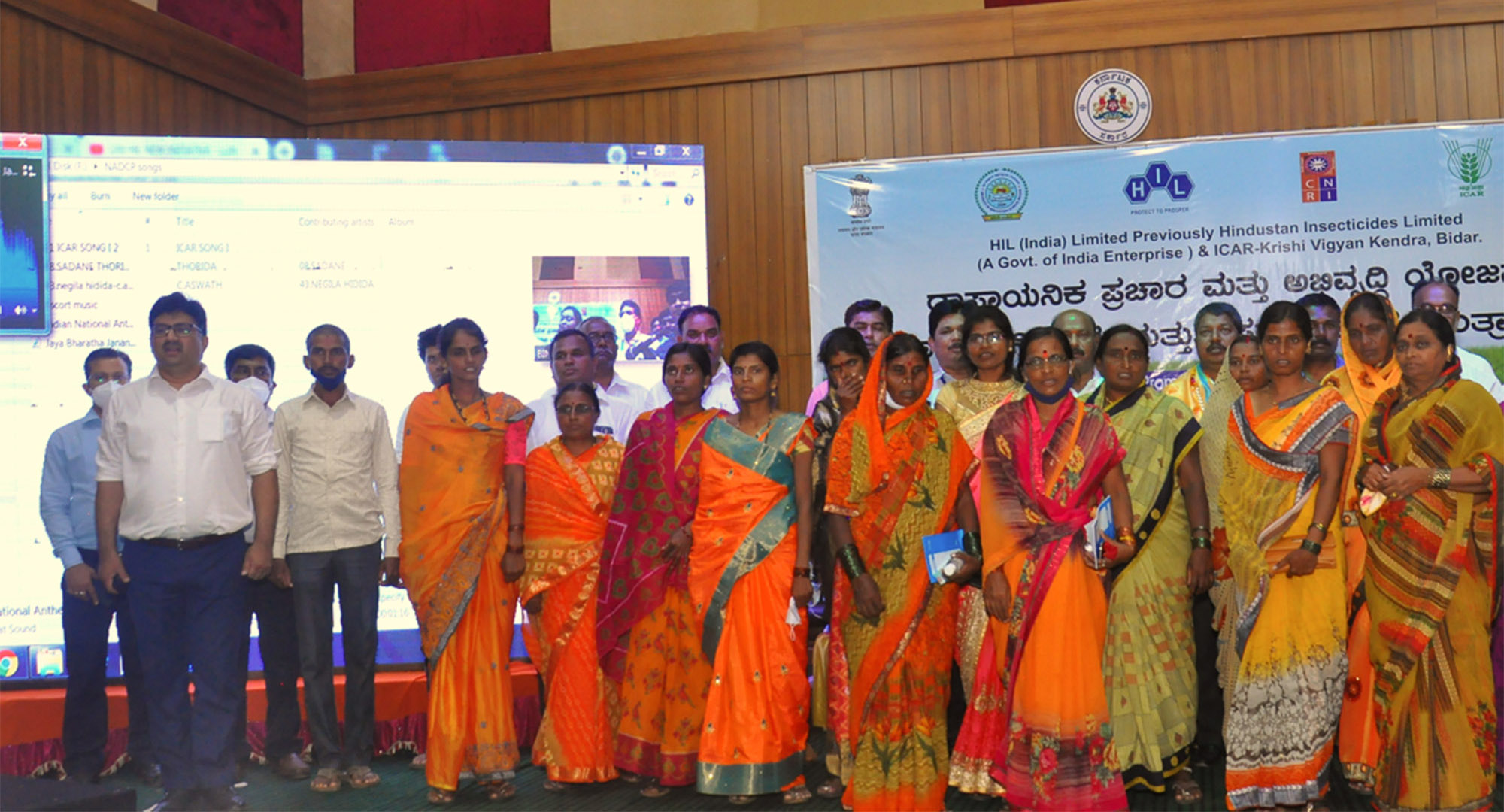
- Established and strengthened State and District Chapters. CNRI extended its federated structure downward, creating and reinforcing chapters that gave the confederation genuine presence and decision-making capacity at the state and district levels rather than only at the national centre.
- Delivered leadership and governance training. Member organizations received training designed to raise their institutional standards — in governance, financial management, transparency, and programme delivery — so that the network’s collective credibility rested on the sound functioning of its individual constituents.
- Forged community partnerships. By deepening ties with local communities and stakeholders, CNRI ensured that its chapters were embedded in, answerable to, and shaped by the people they served, rather than operating at a distance from them.
- Built the machinery for national mobilization. The chapter structure created the organizational depth that would later allow CNRI to mobilize rapidly and coherently across the entire country when crises, campaigns, or opportunities demanded a unified response.
- Standardized membership and accountability norms. The confederation strengthened the norms governing membership and conduct, ensuring that growth in numbers was matched by consistency in quality and integrity across the network.
| IMPACT |
- A genuine grassroots backbone emerged. The federated chapter system enabled national priorities to be translated into district-level action, and allowed district-level realities to inform and correct national positions — making representation authentic.
- Local ownership deepened. Communities and member organizations gained a stronger sense of ownership and accountability, strengthening the legitimacy and authenticity of CNRI’s national voice.
- Standards across the network rose. Governance and leadership training lifted the quality of member organizations, raising the credibility of the confederation as a whole and reducing the risks that come with rapid growth.
- Capacity for rapid mobilization was built. The institutional depth created in 2009 became the foundation for CNRI’s later ability to mount nationwide campaigns and emergency responses — most visibly during the COVID-19 pandemic — at speed and scale.
- The confederation became durable. By investing in structure over spectacle, CNRI secured its own longevity, ensuring that it would remain a functioning institution rather than a passing initiative.
ENDURING SIGNIFICANCE
Institution building is invisible until it is indispensable. The chapters strengthened in 2009 became the nervous system of the confederation — the structure through which every later initiative, from SDG localization to pandemic relief to cooperative advocacy, would flow. CNRI learned, and demonstrated, that reach without roots is fragile, and it chose roots. The quiet work of this year is much of the reason the confederation could, a decade later, mobilize thousands of organizations overnight in a national emergency and carry the evidence of a living network onto the global stage.