As CNRI’s reach expanded, so did its conviction that development is sustainable only when it is transparent and accountable. Resources squandered to inefficiency or diverted by opacity are resources stolen from the poor; a scheme that leaks is a promise half-broken. Genuine progress requires not only good intentions and adequate funding, but systems that allow citizens to see how decisions are made, to follow where money goes, and to hold institutions responsible for outcomes. In 2013, CNRI made this principle a central theme of its work, recognizing that integrity is not a constraint on development but a condition of it.
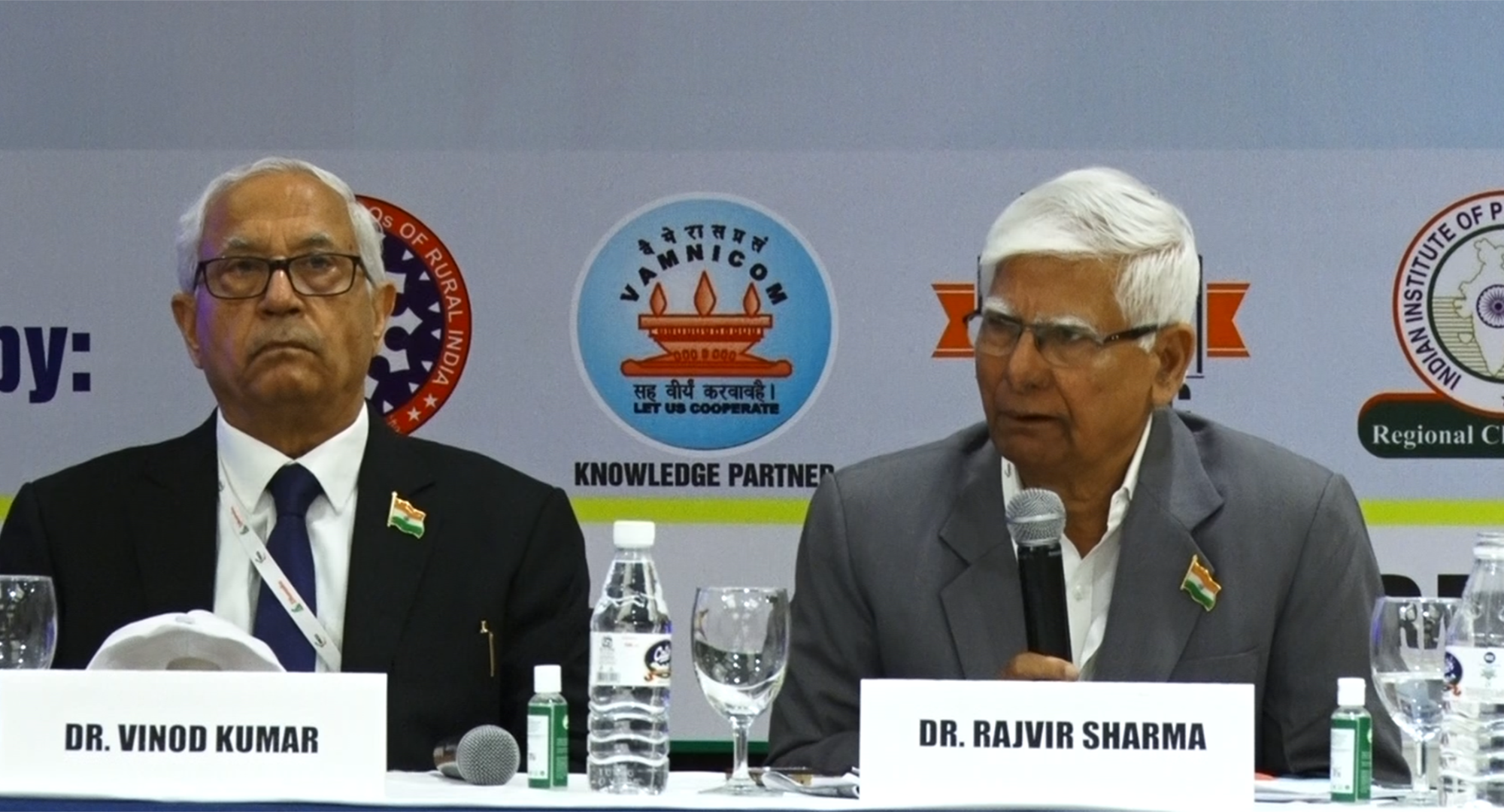
The confederation approached transparency and accountability not as a stance of opposition but as a shared endeavour — one that required government, civil society, academia, and communities to work together rather than at odds. By fostering stronger partnerships among these actors and advocating responsible, ethical development practices, CNRI sought to build a culture in which openness was expected and accountability was normal rather than exceptional. It positioned itself as a bridge, convening diverse and sometimes distrustful stakeholders around a common standard of integrity.
This bridging role suited CNRI uniquely. Trusted by communities for its grassroots authenticity and credible to government for its scale and discipline, the confederation could bring together parties that rarely sat at the same table. In doing so it advanced a model of accountability built on collaboration and mutual visibility rather than confrontation — a model in which transparency served everyone’s interest and no one’s embarrassment.
| ACTION TAKEN |
- Built multi-stakeholder platforms. CNRI convened government, civil society, academia, and communities, creating spaces in which these often-separate actors could collaborate on development that was both effective and accountable to the people it served.
- Advocated ethical and responsible practices. The confederation promoted standards of integrity and responsibility in development delivery, arguing consistently that how outcomes are achieved matters as much as the outcomes themselves.
- Championed transparency and citizen oversight. CNRI encouraged the use of transparency tools and citizen monitoring within its network, empowering communities to observe, question, and improve how programmes meant for them were actually run.
- Promoted nationally driven development. By insisting that development be transparent and locally accountable, CNRI advanced a model of progress rooted in national priorities, public trust, and the informed participation of citizens.
- Positioned itself as a neutral convener. Trusted by communities and credible to government, CNRI brought distrustful parties to the same table, using its unique standing to make collaboration on integrity possible.
| IMPACT |
- A culture of accountability strengthened. The emphasis on transparency helped normalize expectations of openness and responsibility in development delivery across the network and among its partners.
- CNRI’s bridging role was affirmed. By convening diverse and sometimes divergent stakeholders, the confederation established itself as a credible, neutral platform for collaboration — a role central to its later national and global work.
- Ethical development gained ground. Advocacy for responsible practices reinforced the idea that integrity is inseparable from genuine, lasting development, not a luxury to be traded away for speed.
- Citizen oversight expanded. Communities were better equipped to monitor and question the programmes meant to serve them, improving both effectiveness and public trust in development.
- Public trust in development improved. Greater transparency helped restore confidence that resources reach their purpose, strengthening the compact between citizens and the institutions serving them.
ENDURING SIGNIFICANCE
By making transparency and accountability a theme in their own right, CNRI recognized that the how of development is as decisive as the what. The partnerships and standards advanced in 2013 helped ensure that the confederation’s growing influence rested on a foundation of integrity and public trust. This commitment also prefigured CNRI’s later economic thinking: the Cooperative Economic Framework, with its insistence on community ownership and answerability, is in many ways the logical extension of the accountability principles the confederation championed in this year.