In 2015 the world adopted the United Nations Sustainable Development Goals — seventeen ambitions, from ending poverty and hunger to protecting the planet and reducing inequality, all to be achieved by 2030. But global goals are realized locally or not at all. The distance between a resolution passed in New York and a change felt in an Indian village is immense, and it is bridged only when communities understand the goals, see themselves and their own priorities reflected in them, and are equipped to act. Without translation to the grassroots, the SDGs risk remaining a document admired by officials and unknown to citizens.
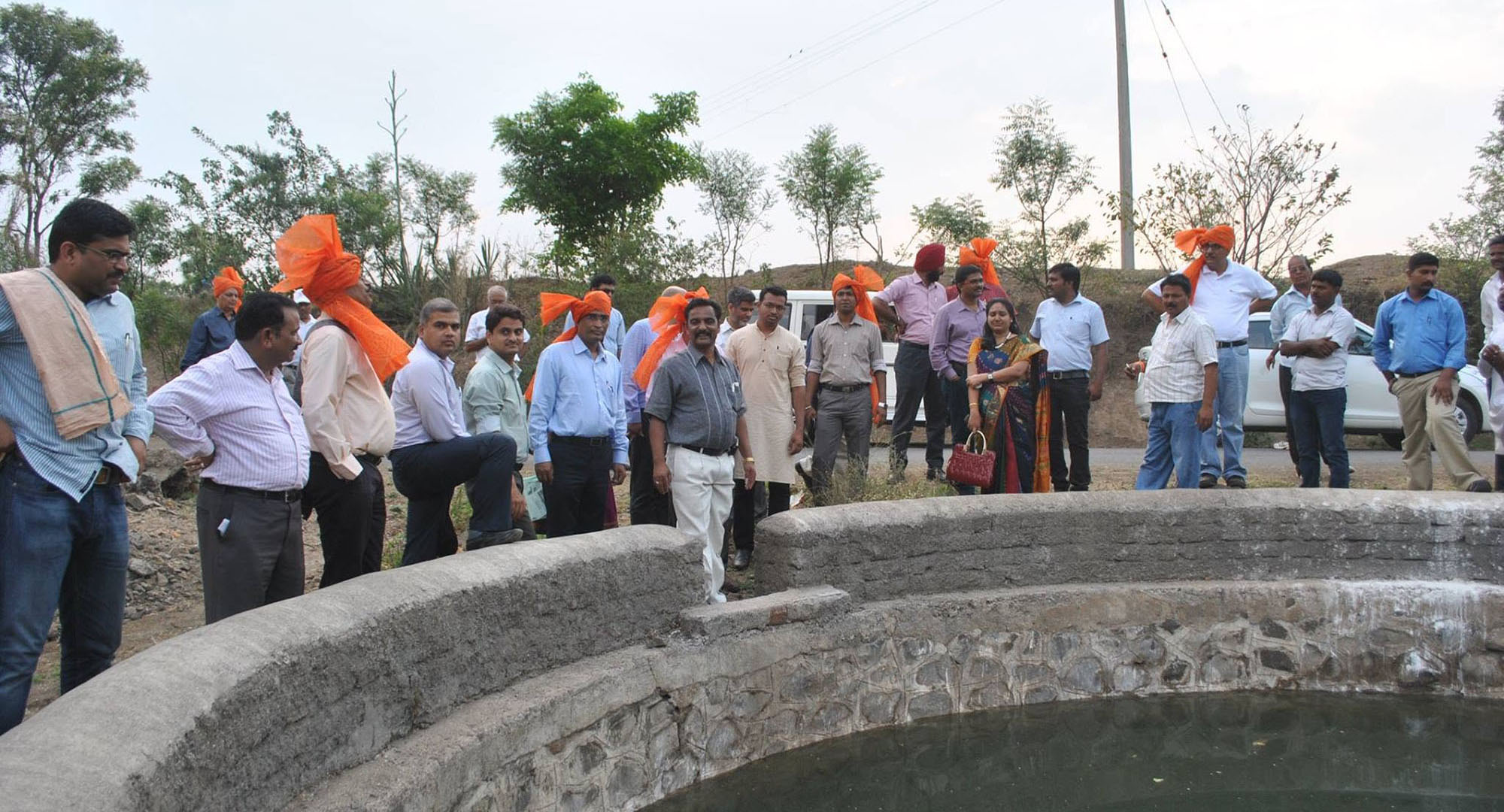
The G-Local SDG Roadshow was CNRI’s instrument of translation. The very name captured its purpose: to make the global local, and the local global. Through a nationwide roadshow of consultations, stakeholder engagements, and capacity-building initiatives, CNRI carried the SDGs into communities across the country — explaining what they meant in practical terms, connecting them to local needs and aspirations, and equipping people and member organizations to pursue them. It was a characteristic CNRI method at work: take a distant, abstract framework and make it concrete, owned, and actionable at the grassroots.
The Roadshow also served as a bridge between two worlds that CNRI was increasingly straddling. It connected the confederation’s deep grassroots presence to the global development agenda, demonstrating that a national civil-society body could operationalize an international framework at the village level. In doing so it foreshadowed the formal international recognition that would arrive only three years later, and positioned CNRI as a credible link between the world’s goals and India’s communities.
| ACTION TAKEN |
- Launched a nationwide localization roadshow. CNRI took the Sustainable Development Goals on the road, carrying them into communities across India and translating global targets into locally meaningful priorities that people could recognize and act upon.
- Convened consultations and stakeholder engagements. The roadshow gathered diverse actors — communities, member organizations, and partners — to align local action with the SDGs, ensuring that grassroots efforts and global goals reinforced rather than ignored one another.
- Delivered SDG-linked capacity building. CNRI equipped member organizations and communities to plan, act, and monitor progress in relation to the goals, turning abstract awareness into concrete planning capability at the local level.
- Connected global goals to village action. The initiative linked the 2030 Agenda to specific, achievable steps that communities could take, making the SDGs a live and local agenda rather than a distant international declaration.
- Bridged the grassroots and the global. By operationalizing a UN framework at the village level, CNRI demonstrated its capacity to connect India’s communities to the world’s development agenda — and vice versa.
| IMPACT |
- The SDGs were localized. Global development goals were connected to concrete, village-level action, closing the persistent gap between international ambition and grassroots reality.
- Awareness and ownership grew. Communities and member organizations across the network gained understanding of the SDGs and a genuine sense of ownership over pursuing them in their own contexts.
- CNRI’s global relevance rose. By operationalizing a UN framework at the grassroots, CNRI positioned itself as a credible partner in the global development agenda — a standing soon formalized by ECOSOC status.
- Local capacity was strengthened. SDG-linked capacity building left communities and organizations better able to plan, act, and monitor their own development in line with global benchmarks.
- A path to international recognition opened. The Roadshow demonstrated the confederation’s ability to bridge grassroots and global, foreshadowing the UN ECOSOC status it would earn in 2022.
ENDURING SIGNIFICANCE
The G-Local Roadshow embodied CNRI’s signature capability: making the global local. It demonstrated that even the world’s most ambitious agenda depends on trusted local organizations to reach the ground — and it foreshadowed the international recognition that would arrive only three years later. The initiative marked the moment CNRI began to operate consciously at the intersection of the grassroots and the global, a position that would define its identity in the years to come and give unusual authenticity to its later international advocacy.