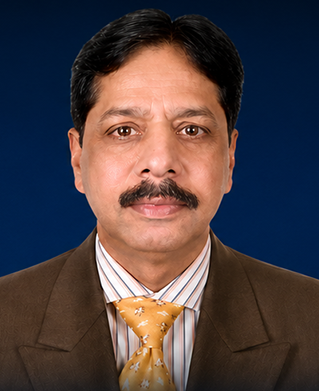
Dr. S.R.K. Varshney
Co-Chairman, CNRI Research & Advisory Council
Head, SDG Research Unit, CNRI
Dr. S.R.K. Varshney is a distinguished environmental scientist, biodiversity specialist, and retired Indian Forest Service (IFS) officer with over four decades of exemplary service in environmental governance, forestry research, agricultural cooperation, and public policy. As Co-Chairman of the CNRI Research & Advisory Council and Head of the SDG Research Unit, he provides strategic leadership in advancing evidence-based policy research, sustainable rural development, climate resilience, biodiversity conservation, and the localization of the United Nations Sustainable Development Goals (SDGs).
A member of the 1984 batch of the Indian Forest Service, Dr. Varshney has held several senior leadership positions, including Additional Principal Chief Conservator of Forests (Research), Director of the State Forest Research Institute, Director (Finance) in the Ministry of Agriculture, Government of India, and Additional Managing Director of NAFED. He currently serves as Managing Director of Sonartari Multistate Agro Cooperative Society Ltd. (SONACO), where he leads initiatives on farmer-producer organizations, cooperative development, and agricultural value-chain strengthening.
At CNRI, Dr. Varshney spearheads interdisciplinary research on sustainable agriculture, natural resource management, climate action, biodiversity, cooperative development, and rural livelihoods. He guides the organization’s policy studies, advisory papers, SDG assessment frameworks, and institutional collaborations with government, academia, and civil society, ensuring that research outcomes translate into practical solutions for grassroots development.
An alumnus of Jawaharlal Nehru University with a Ph.D. in Environmental Science, Dr. Varshney has authored numerous research papers and technical studies on environmental management, forestry, biodiversity, and agricultural markets. His national and international experience, combined with his commitment to sustainable development, makes him an invaluable contributor to CNRI’s mission of strengthening rural institutions and promoting inclusive, resilient, and environmentally sustainable growth.