

Health and nutrition are fundamental to the well-being, productivity and dignity of every community. In India, improving health outcomes requires more than access to medical treatment; it also depends on preventive healthcare, balanced nutrition, sanitation, awareness, maternal and child care, and strong community-level health systems. For rural communities in particular, these priorities are closely connected with livelihoods, education, food security and social development.
The Confederation of NGOs of Rural India (CNRI) identifies Health & Nutrition as one of its key impact areas, with a focus on preventive healthcare, maternal and child health, sanitation and nutrition security.
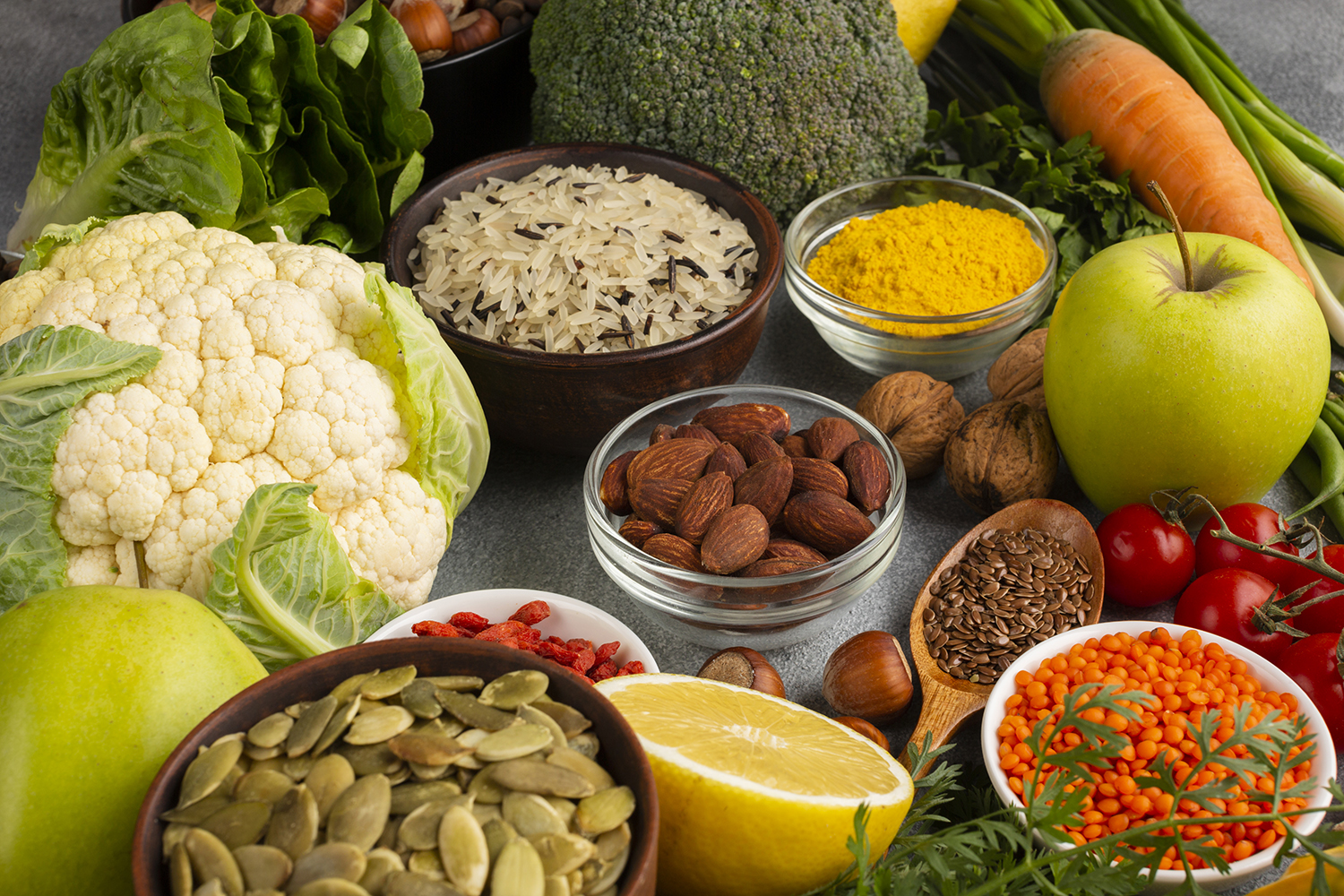
Strengthening Preventive Healthcare
Preventive healthcare can help communities identify health risks at an early stage and encourage healthier lifestyles. Rural development initiatives can support health awareness campaigns, community health education, screening programmes and linkages with public health facilities.
India’s public-health infrastructure includes District Hospitals, Community Health Centres, Primary Health Centres, Sub Health Centres and Ayushman Arogya Mandirs, with Indian Public Health Standards providing benchmarks for essential services.
CNRI can contribute by bringing NGOs, community organisations, health professionals and other stakeholders together to strengthen awareness and community participation in healthcare programmes.
Maternal and Child Health
The health of mothers and children is a major foundation for healthy communities. Access to antenatal care, nutrition counselling, immunisation, sanitation, newborn care and timely medical referrals can significantly improve health outcomes.
Government programmes such as the Pradhan Mantri Surakshit Matritva Abhiyan provide assured and comprehensive antenatal care for pregnant women through designated public health facilities.
Community organisations have an important role in ensuring that families understand available services and that vulnerable households are connected with appropriate healthcare systems.
Nutrition Security
Nutrition security means ensuring that people have regular access to adequate, safe and nutritious food. It is particularly important for children, adolescents, pregnant women, lactating mothers and vulnerable rural households.
Nutrition is closely linked with agriculture and food systems. Supporting local food production, kitchen gardens, nutrition awareness, diversified diets and community-based initiatives can help strengthen household and community nutrition.
The Government of India’s health system also maintains dedicated programmes and technical work relating to nutrition and iodine deficiency disorders.
Addressing Malnutrition and Anaemia
Malnutrition can affect physical development, learning, productivity and overall quality of life. Tackling it requires coordinated action across healthcare, agriculture, sanitation, education and social protection.
Programmes such as POSHAN Abhiyaan have focused on improving nutritional outcomes among children, pregnant women and lactating mothers, while initiatives addressing anaemia emphasise testing, treatment and counselling.
CNRI’s role can be to strengthen grassroots organisations so that nutrition awareness reaches households and communities, particularly in underserved rural areas.
Sanitation, Hygiene and Safe Communities
Health and nutrition cannot be separated from sanitation and hygiene. Safe drinking water, sanitation facilities, hand hygiene, waste management and awareness about disease prevention are essential components of healthy communities.
NGOs and community-based organisations can support behavioural awareness, local campaigns and community participation while working alongside government programmes and local institutions.
Focus on Children and Early Health
Early identification of health conditions can make a significant difference to children’s development and well-being. India’s Rashtriya Bal Swasthya Karyakram provides for screening and referral of children for selected health conditions through community and institutional mechanisms.
Community organisations can complement such programmes by encouraging parents and caregivers to seek appropriate health services and by promoting awareness about child health and nutrition.
Role of NGOs in Rural Health & Nutrition
NGOs can serve as an important bridge between communities, government institutions and other development partners. Their grassroots presence enables them to understand local needs, mobilise communities and support awareness and implementation.
CNRI’s broader approach emphasises collaboration between civil society, government, academia and industry, with a community-centric and evidence-based focus.
Under Health & Nutrition, this approach can include:
- Promoting preventive healthcare and health awareness
- Supporting maternal, newborn and child health
- Encouraging nutrition security and healthy dietary practices
- Strengthening sanitation and hygiene awareness
- Supporting community health volunteers and local organisations
- Facilitating linkages with public healthcare services
- Promoting health education among rural youth and families
- Encouraging partnerships for grassroots health initiatives
- Supporting evidence-based policy dialogue on rural health
- Building the capacity of NGOs working in health and nutrition
Building a Healthier Rural India
A healthier India begins with healthier communities. Sustainable improvements in health and nutrition require participation from families, community organisations, NGOs, healthcare professionals, government institutions and development partners.
CNRI’s Health & Nutrition focus reflects the importance of placing communities at the centre of rural development. By strengthening grassroots organisations, promoting preventive healthcare, improving nutrition awareness and encouraging collaborative action, the NGO sector can contribute meaningfully to a healthier, more resilient and inclusive rural India.
CNRI’s vision is to help build rural communities where access to healthcare, nutritious food, sanitation and health awareness becomes an integral part of inclusive development.